Description
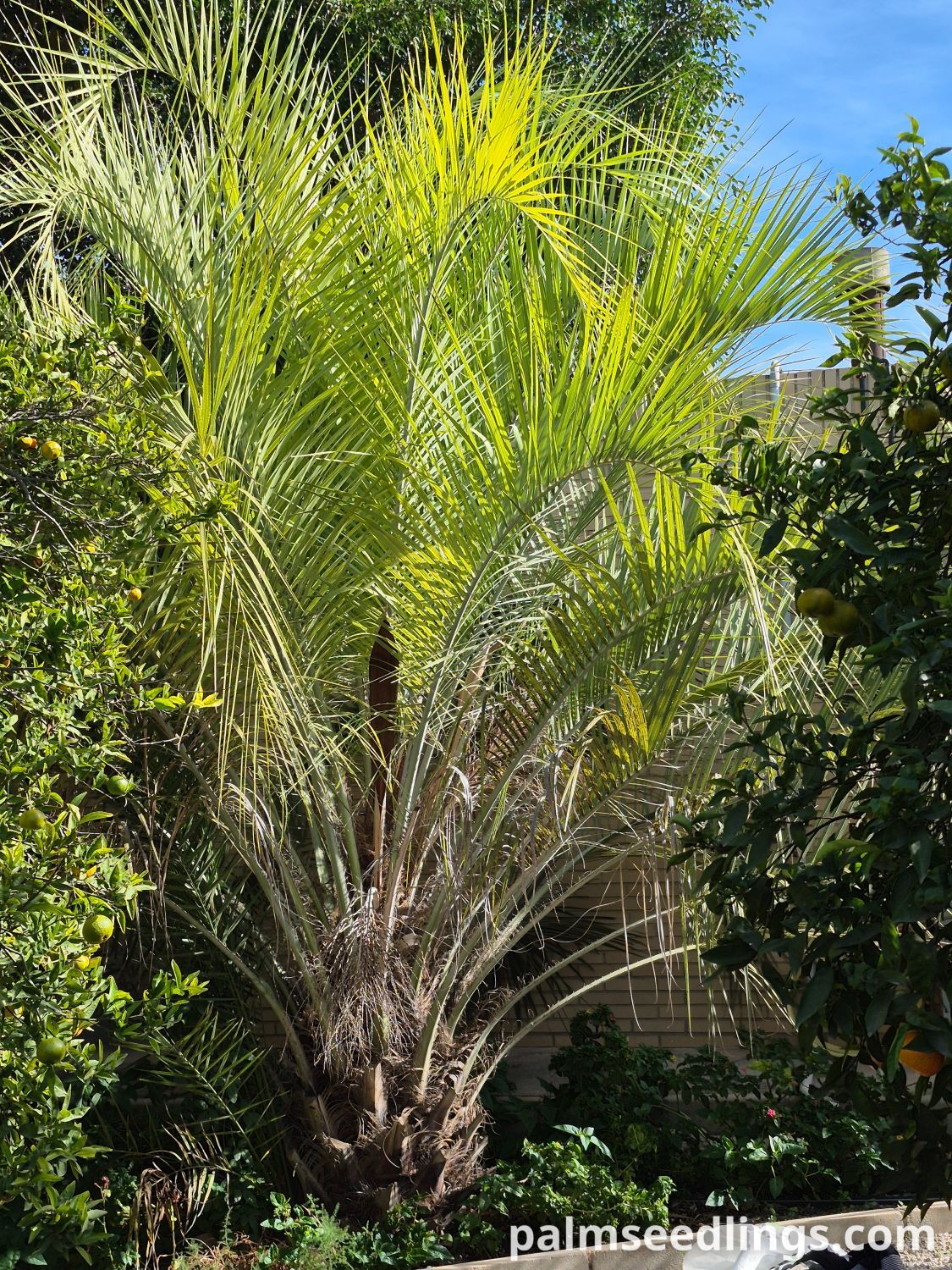
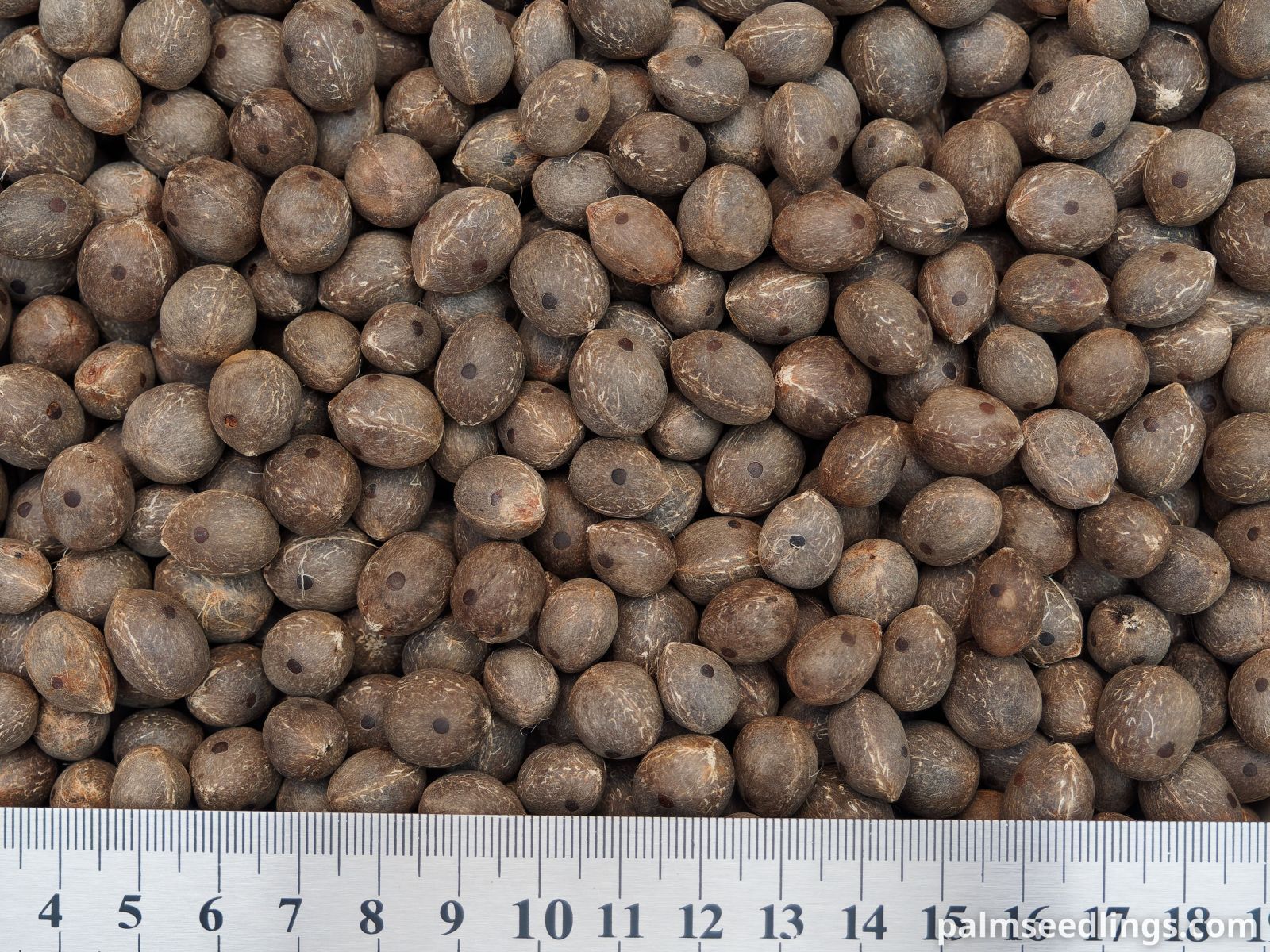
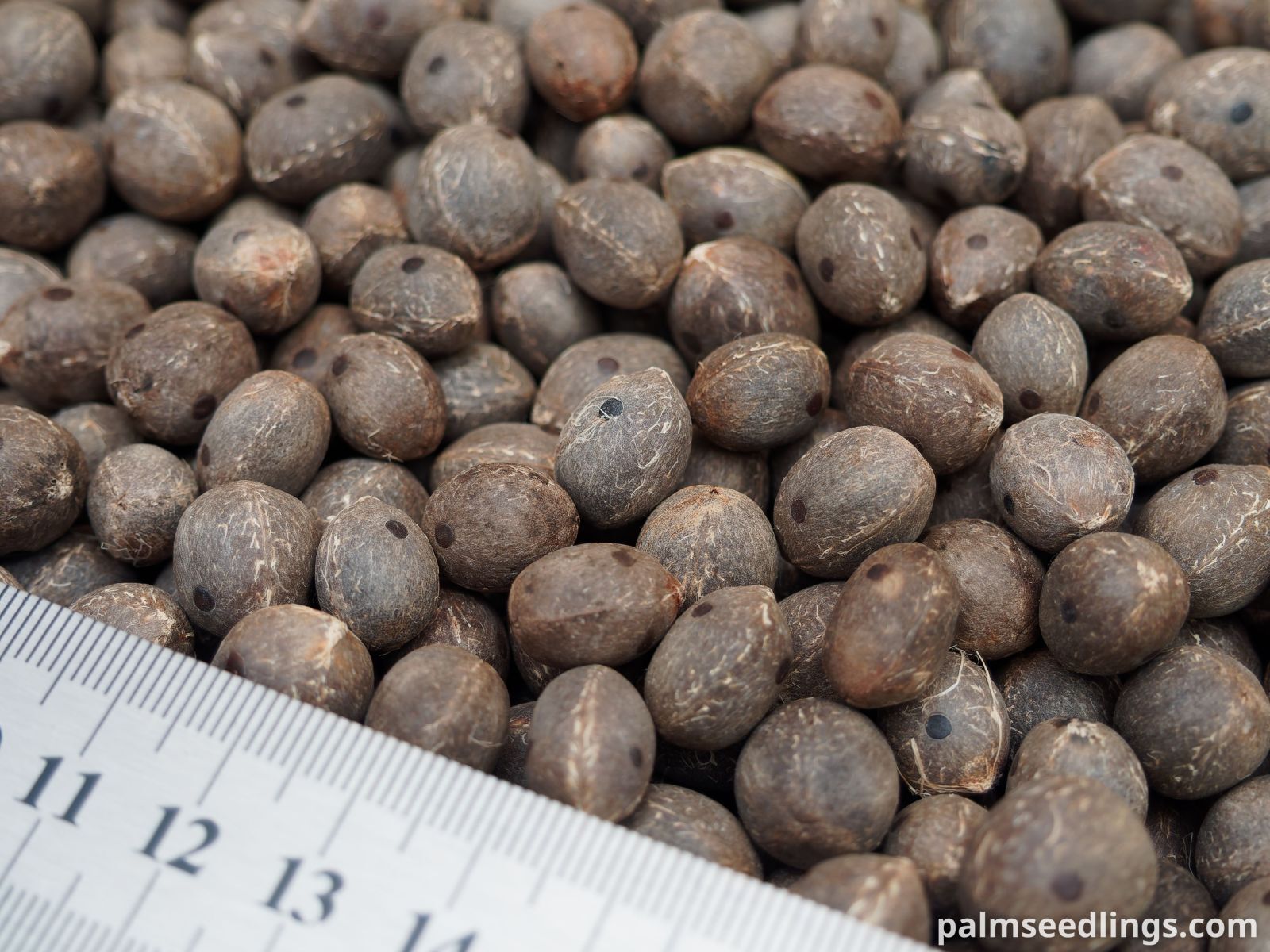
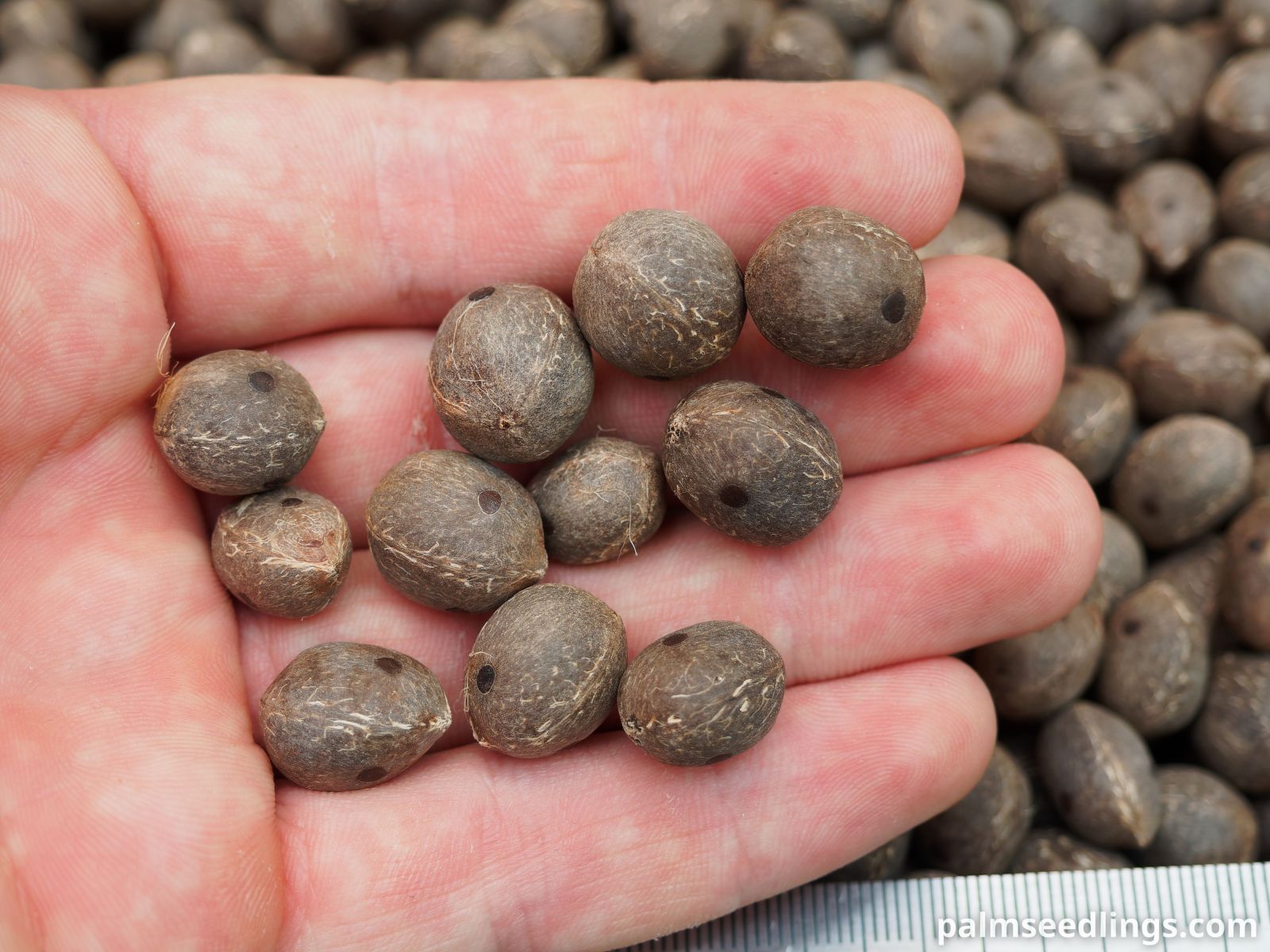
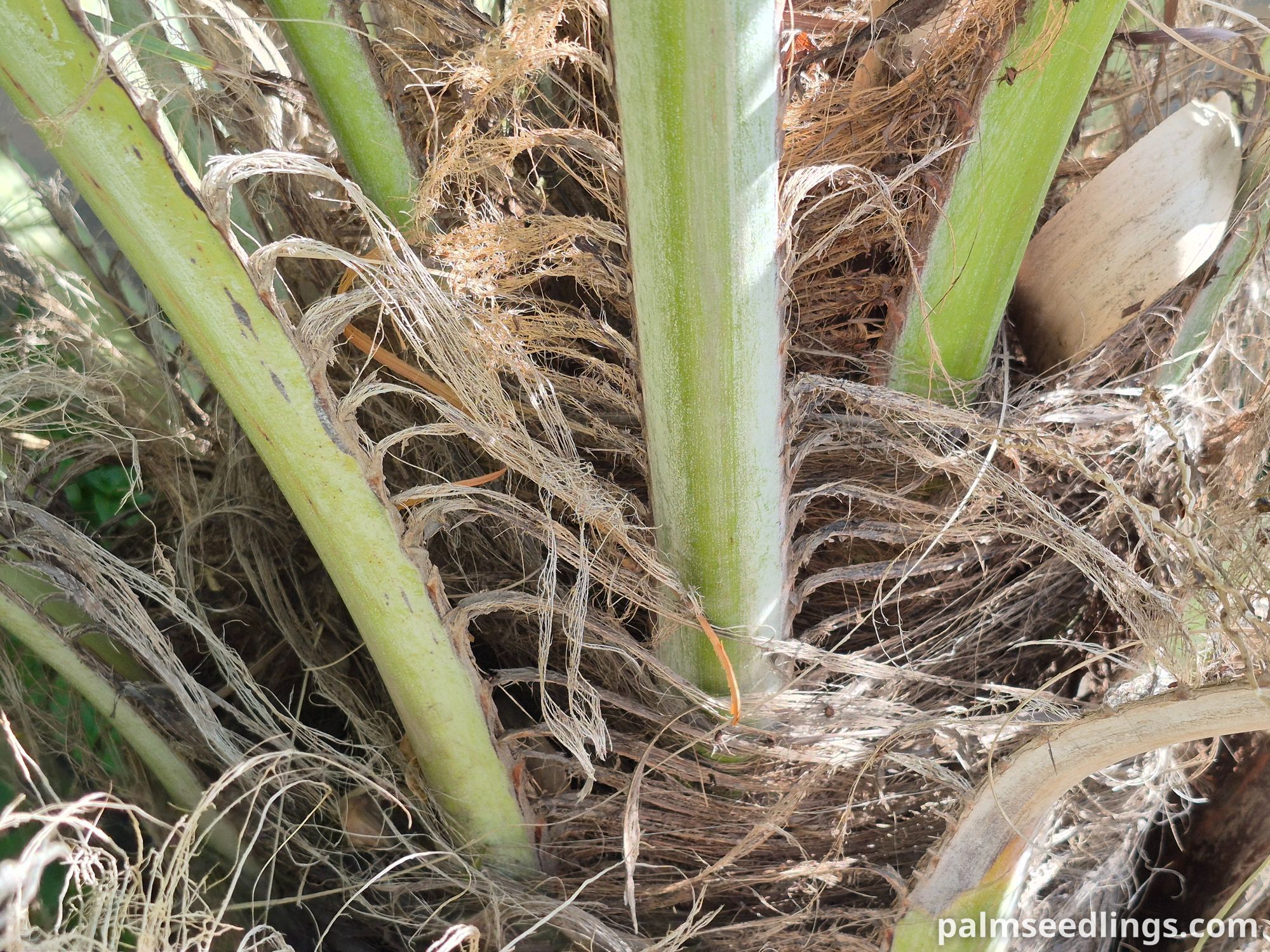
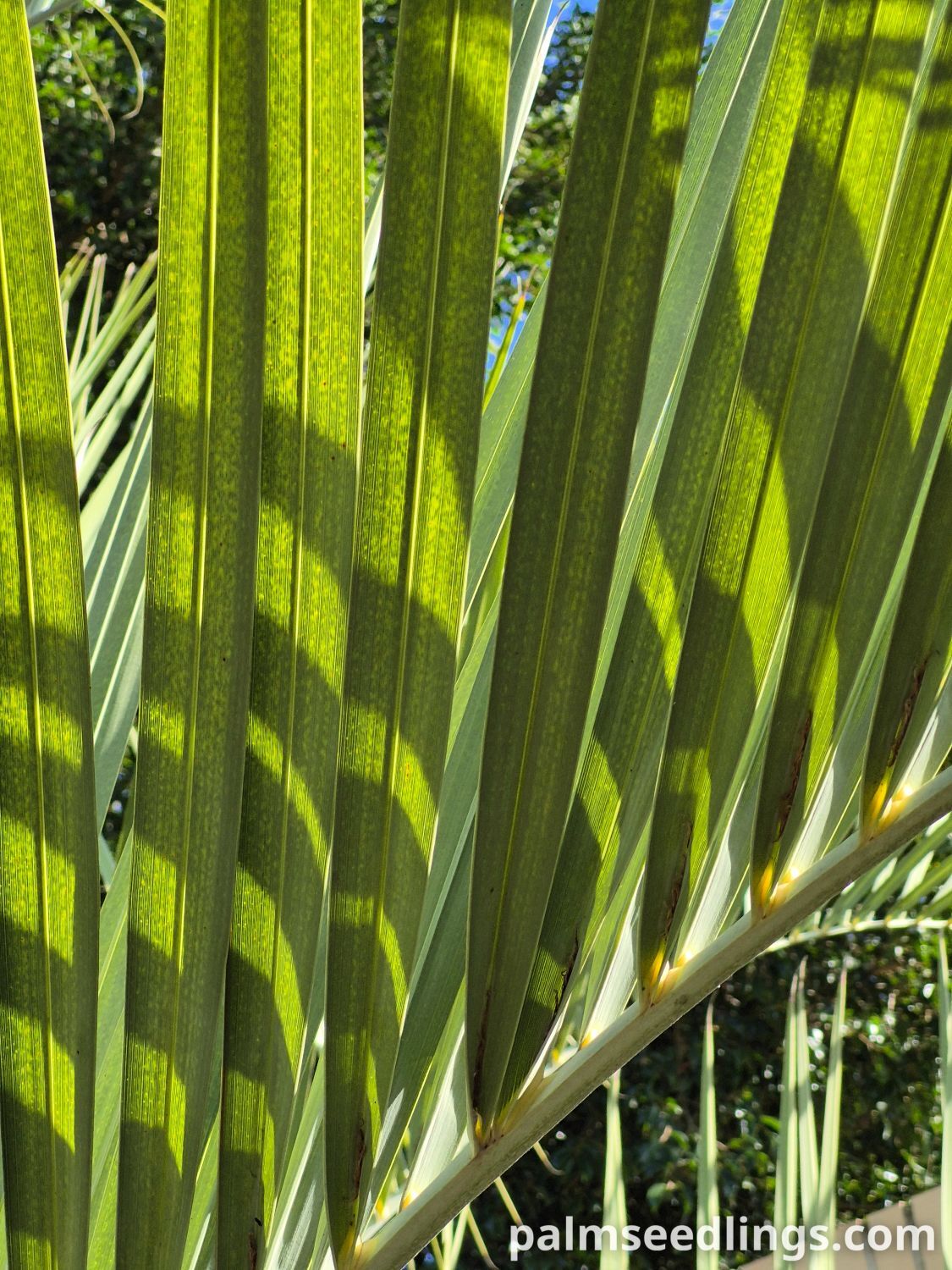
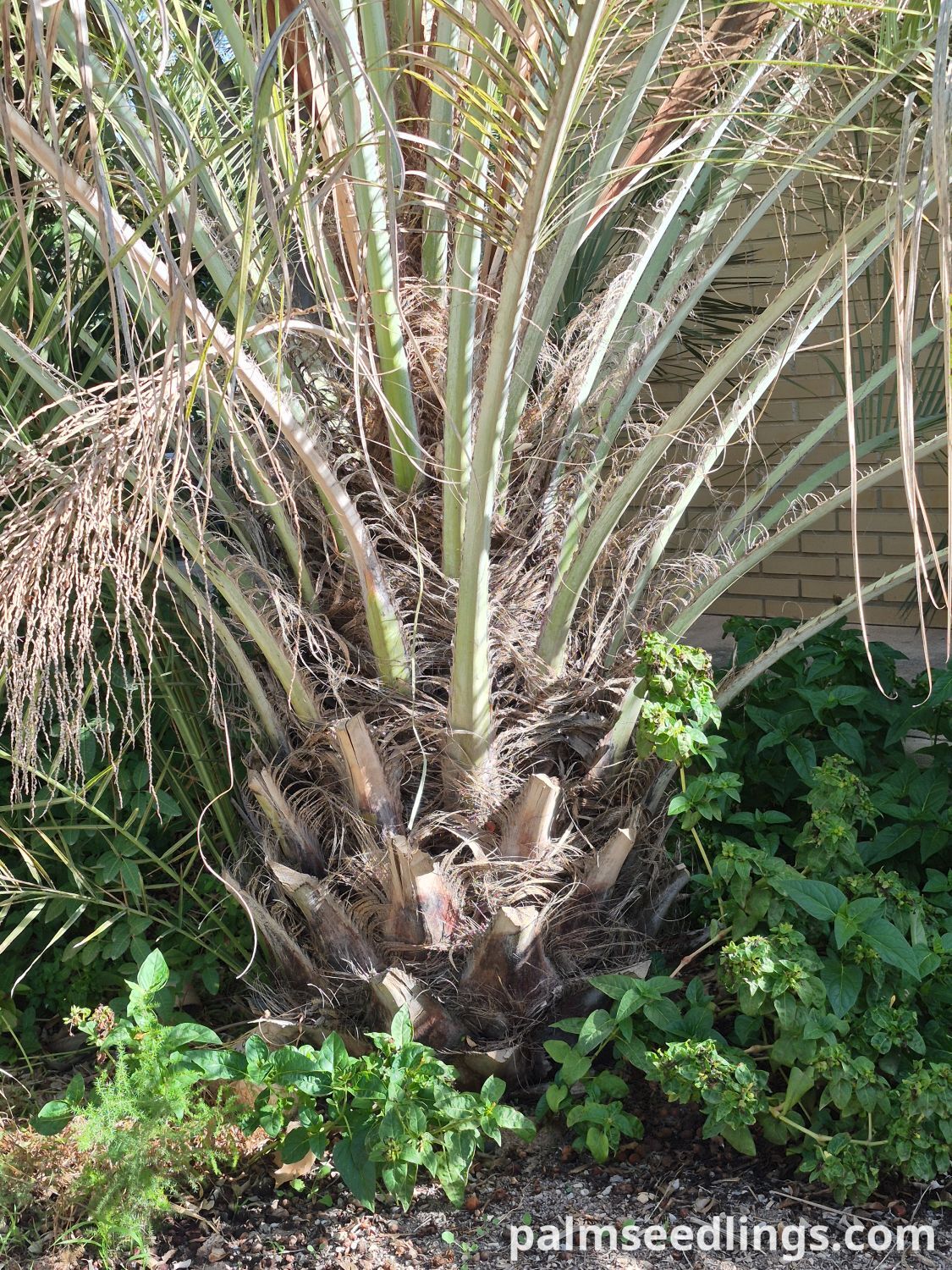
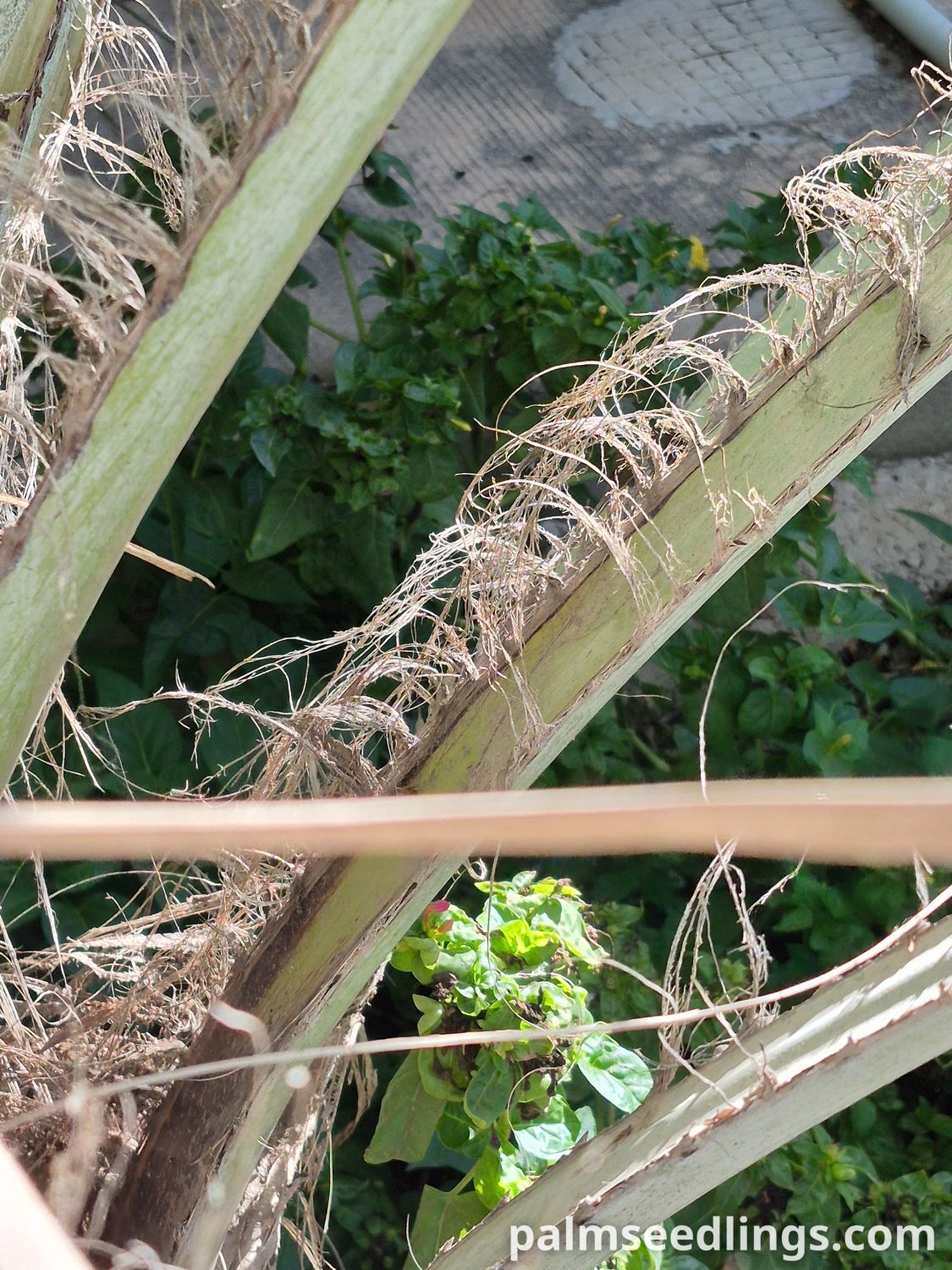
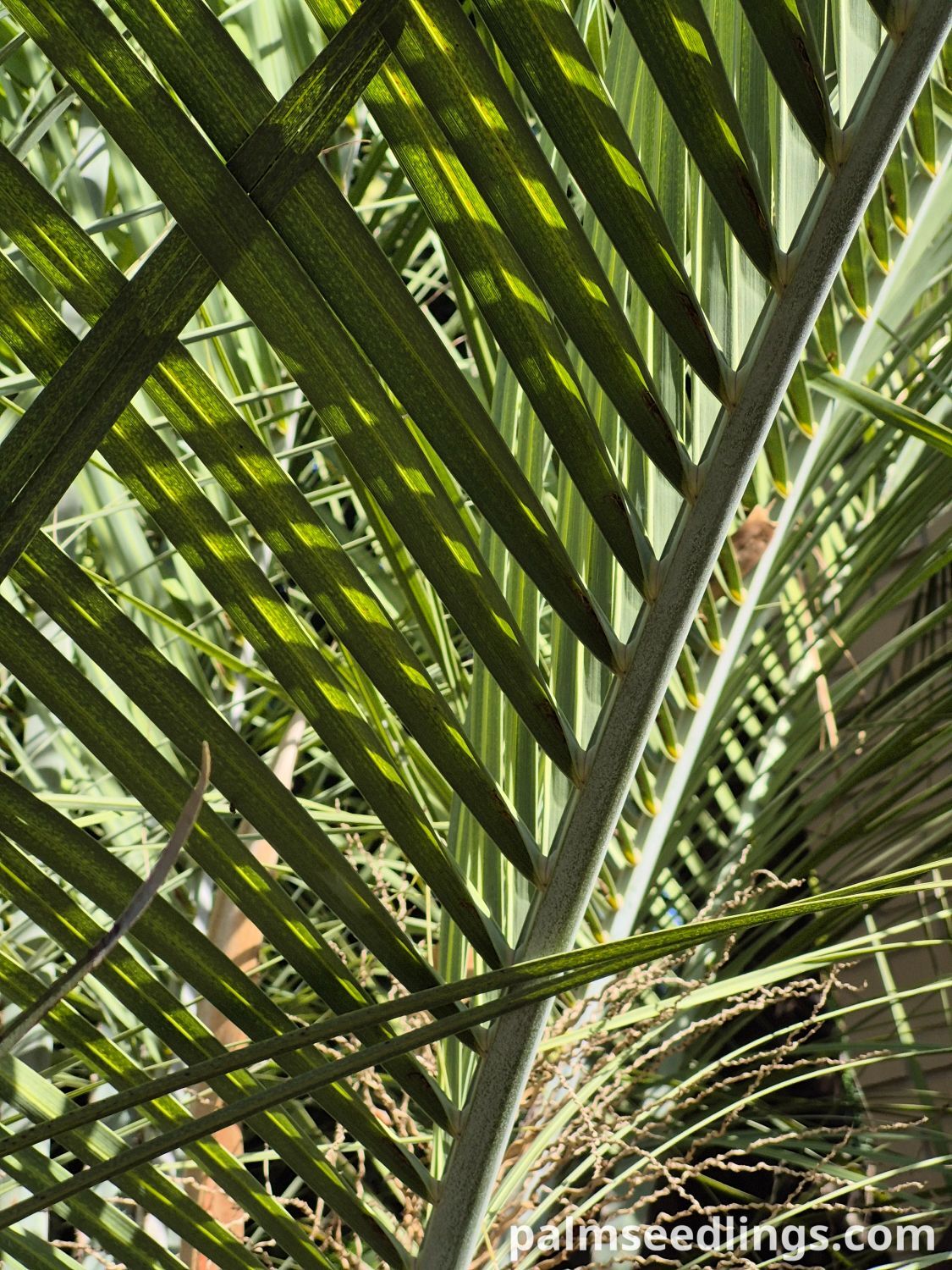
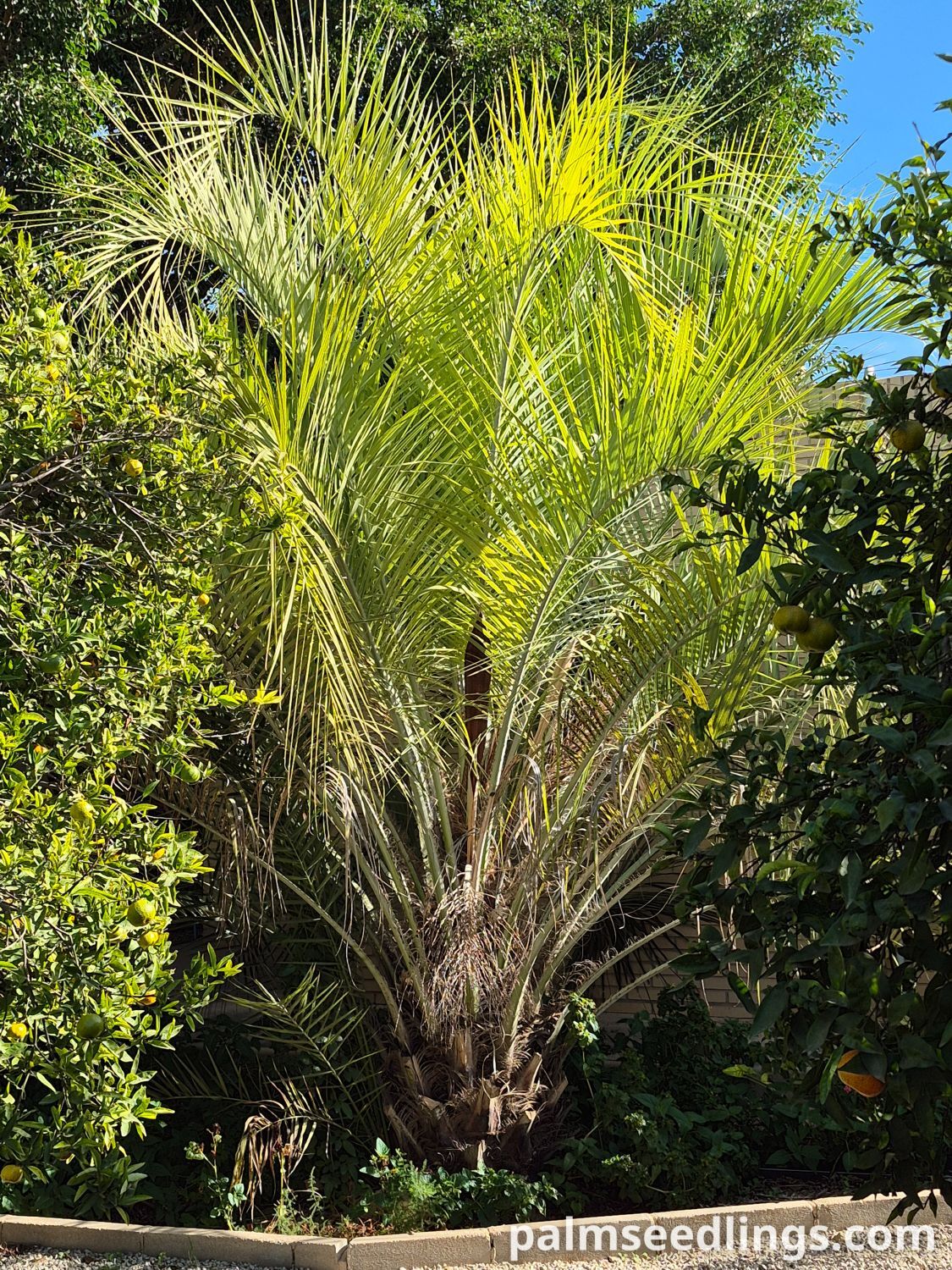
Butia catarinensis is a solitary, monoecious feather palm that typically develops a stout, relatively short trunk heavily textured with persistent leaf bases. The canopy is composed of strongly recurved, stiffly arching pinnate leaves that display a glaucous blue-grey or pale green coloration. It features a compact silhouette compared to other members of its genus, with a stem that frequently tops out at just 4 m (13 ft) in height. During its reproductive cycle, it produces woody spathes that open to reveal branched inflorescences, eventually yielding dense clusters of small, ovoid, yellow to orange fruits containing a single hard seed.
Endemic to the coastal restinga scrublands and active sand dunes of southern Brazil, specifically the state of Santa Catarina, this species is evolutionarily adapted to extreme coastal exposure. Cultivation requires excellent drainage, as its native sandy environment dictates a root system completely intolerant of heavy, waterlogged clay. It performs exceptionally well in full, direct sunlight and easily endures relentless, salt-laden oceanic winds. Landscapers frequently select it as a structurally resilient anchor for coastal xeriscapes and warm temperate gardens where space constraints prohibit the installation of larger canopy species.