Description
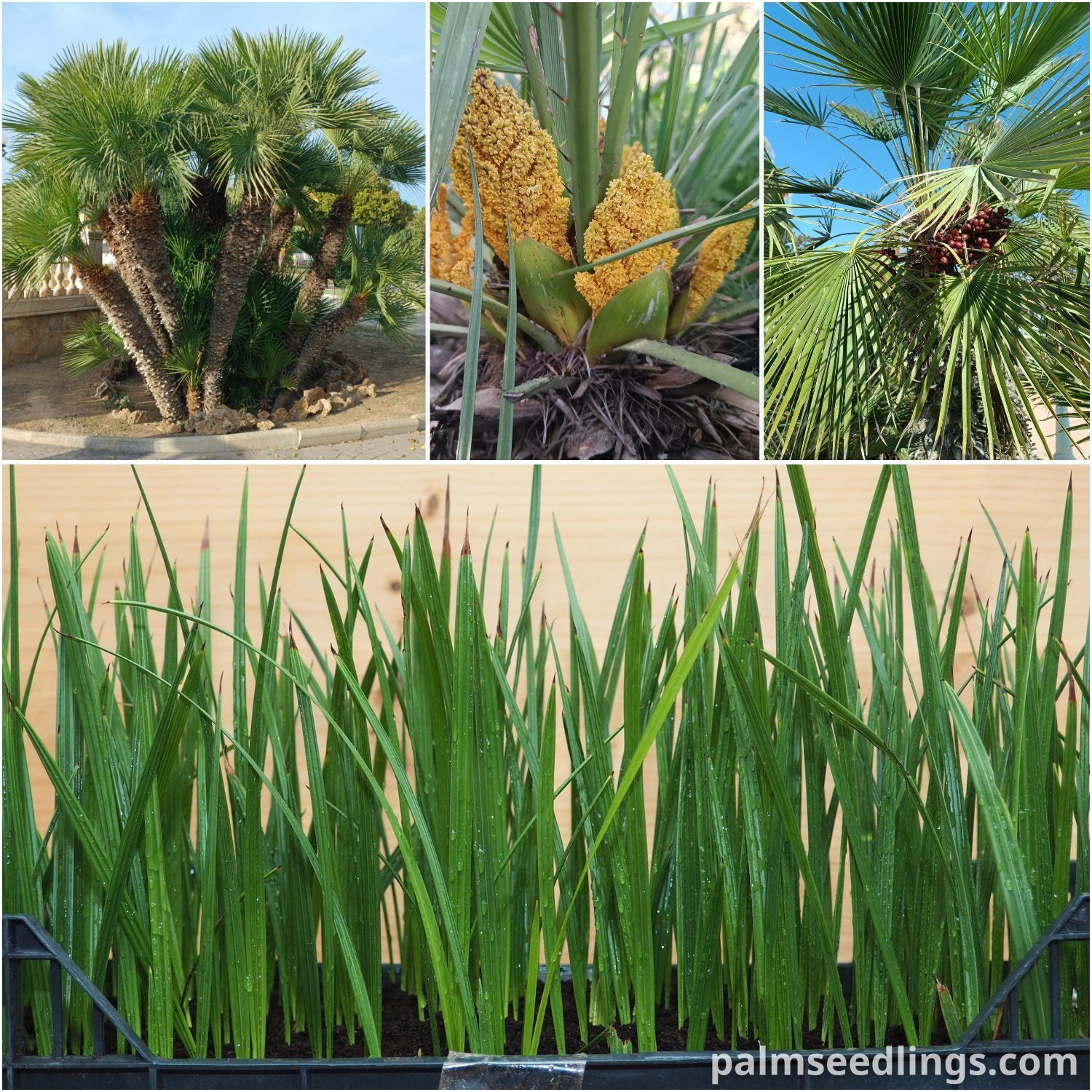
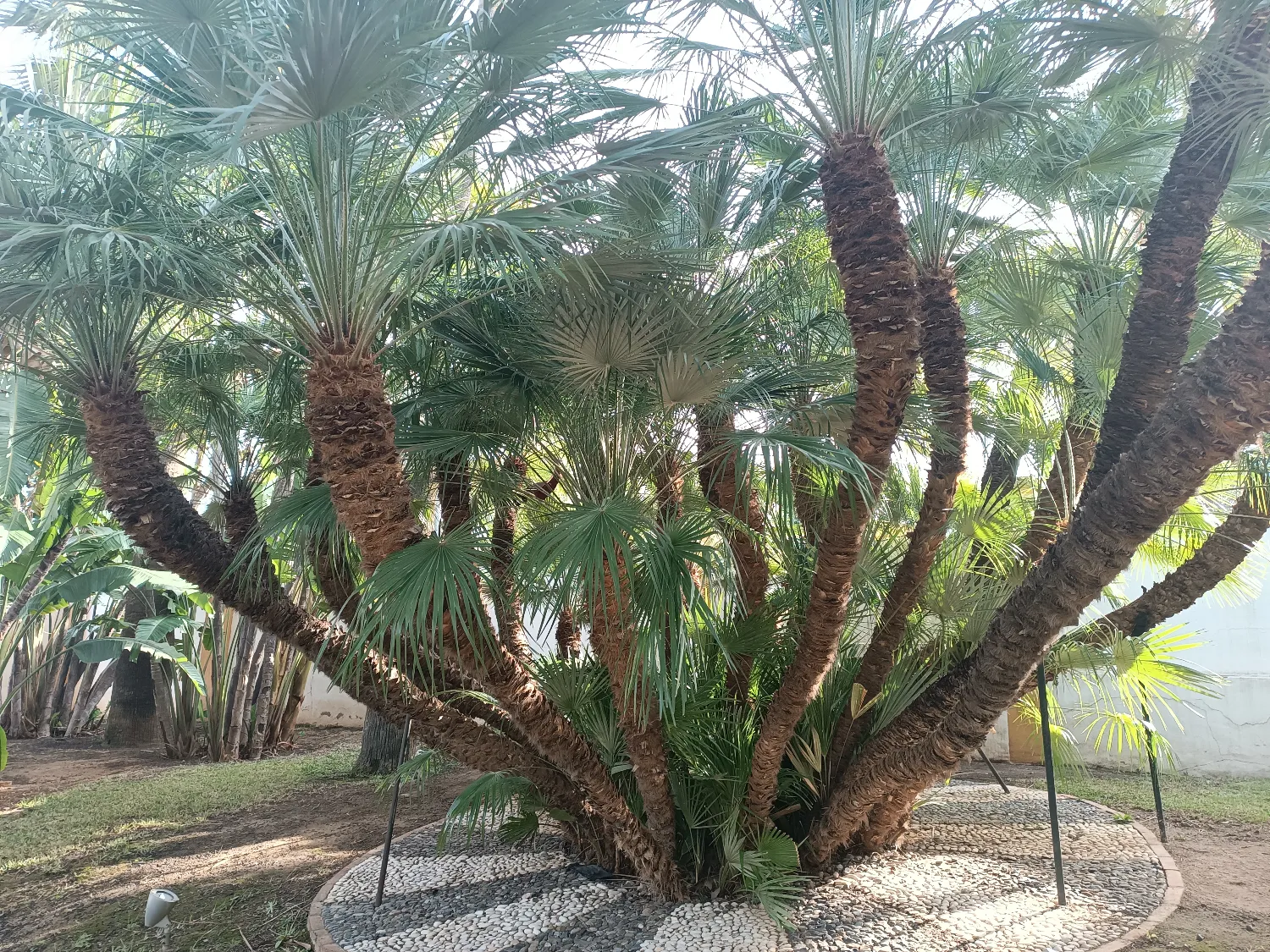
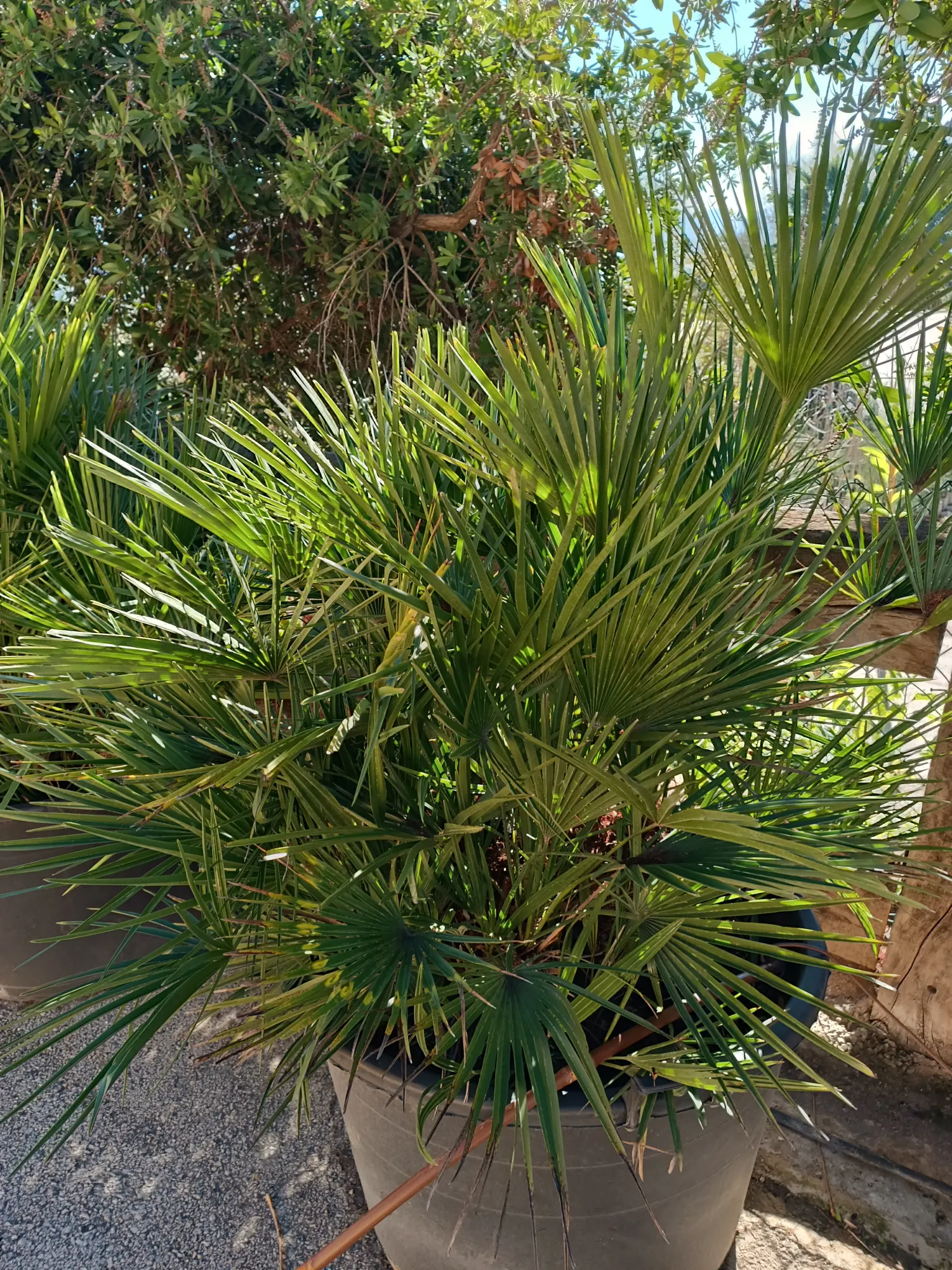
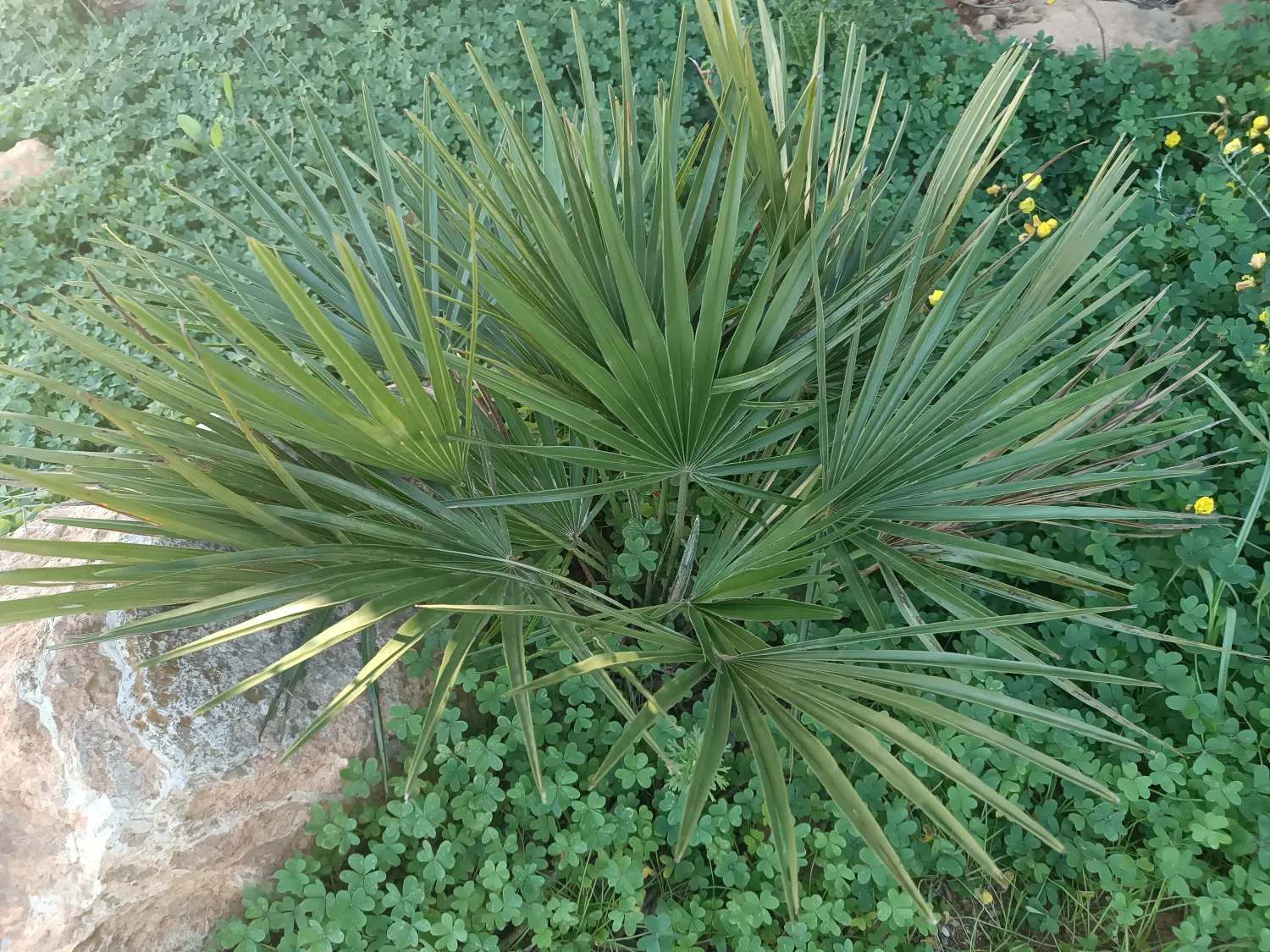
Chamaerops humilis is a clustering, primarily dioecious fan palm. It typically develops multiple stems through basal suckering, though solitary specimens occasionally occur. The trunks are densely covered in woven fibers and persistent leaf bases. The canopy consists of stiff, palmate leaves that are deeply divided into numerous segments. The petioles are heavily armed with sharp, upward-pointing spines along their margins. It produces short, compact inflorescences among the leaves, yielding globose to oblong fruits that ripen to yellow, orange, or reddish-brown.
Native to the Mediterranean region, encompassing parts of southern Europe and North Africa, this species inhabits rocky slopes, coastal scrublands (garrigue and maquis), and sandy ravines. In cultivation, it requires full sun exposure and well-draining soil profiles. It possesses a high tolerance for salt spray and coastal winds. It is utilized in temperate, subtropical, and Mediterranean landscaping as a structural shrub or multi-stemmed specimen.