Description
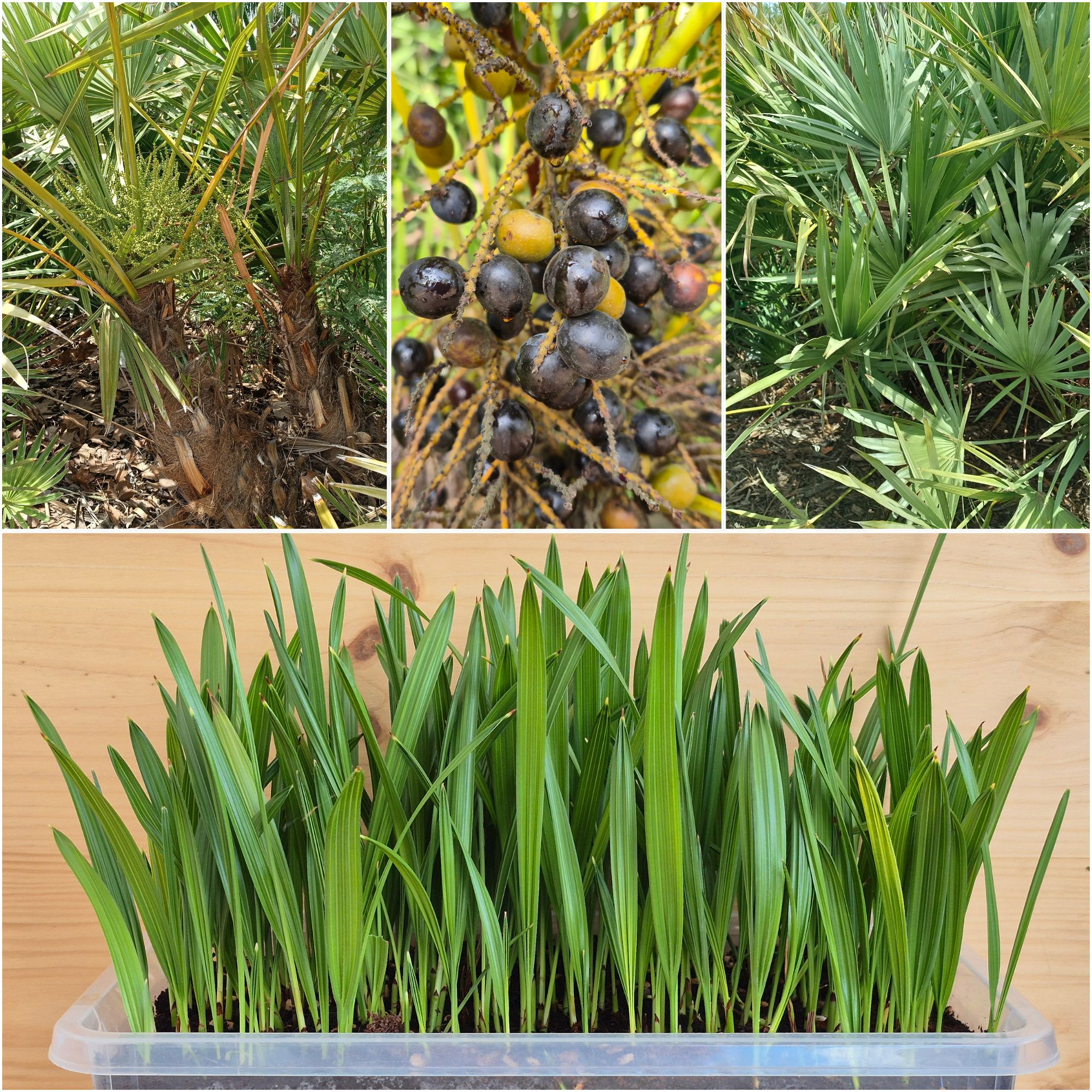
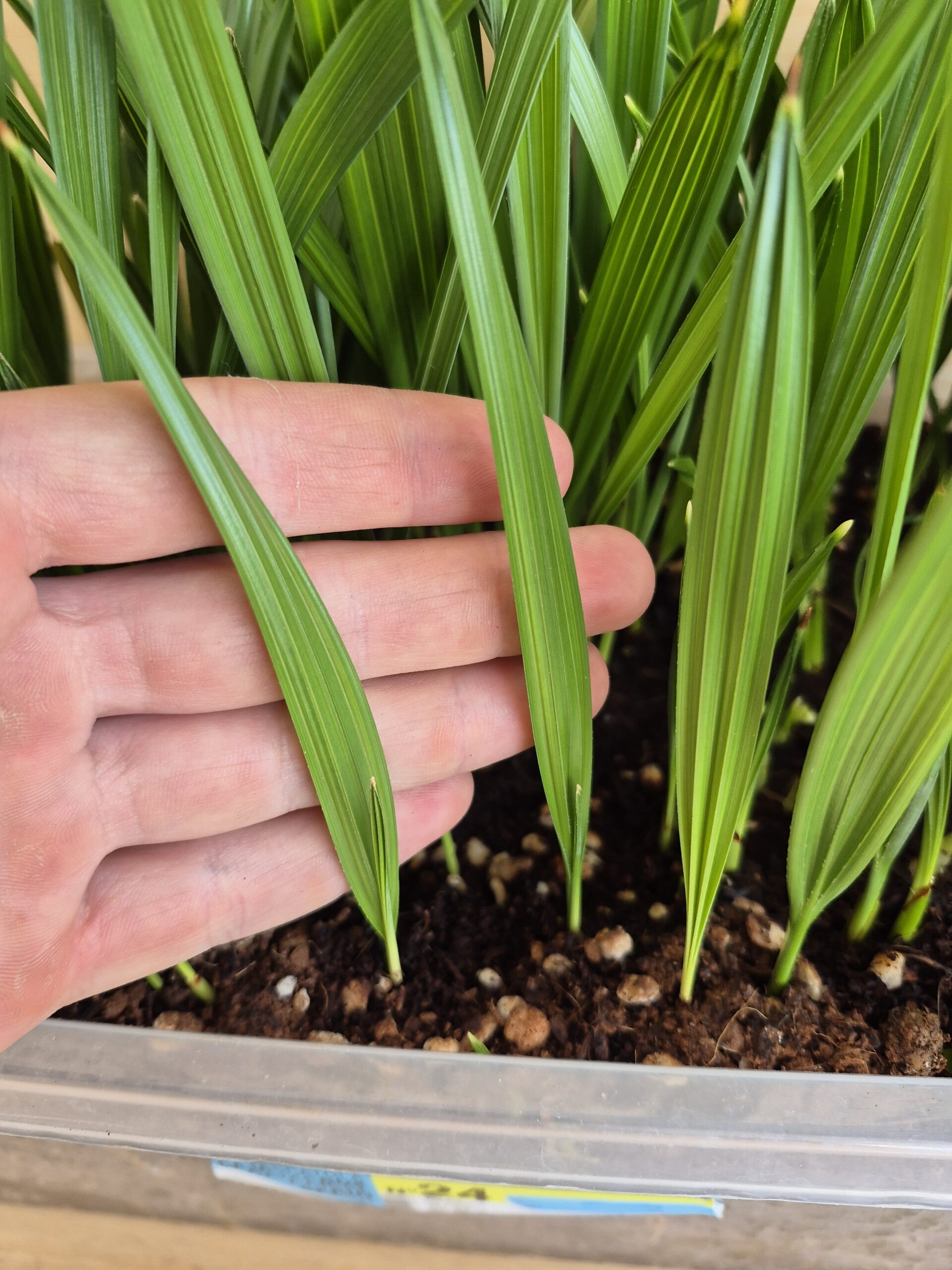
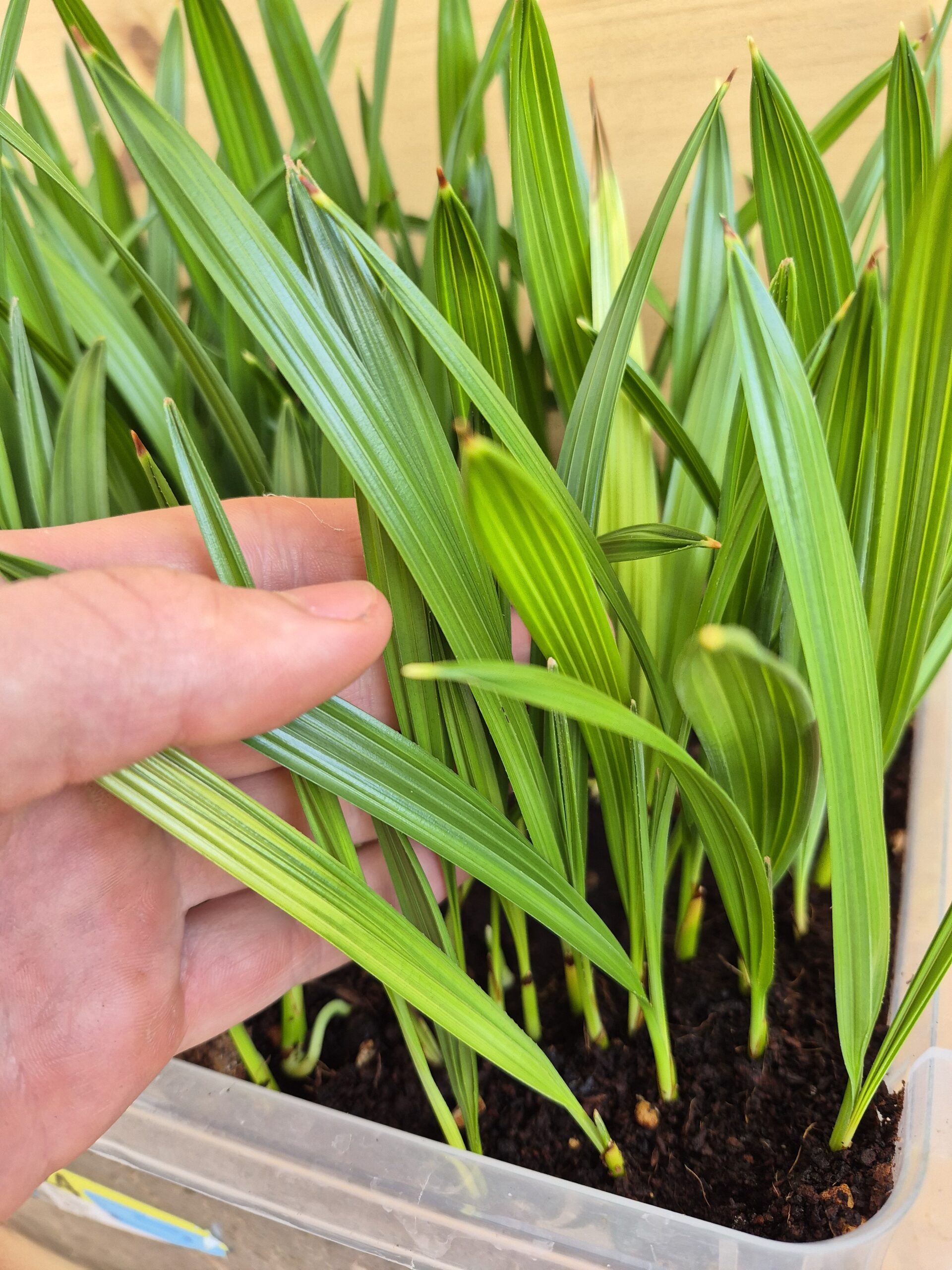
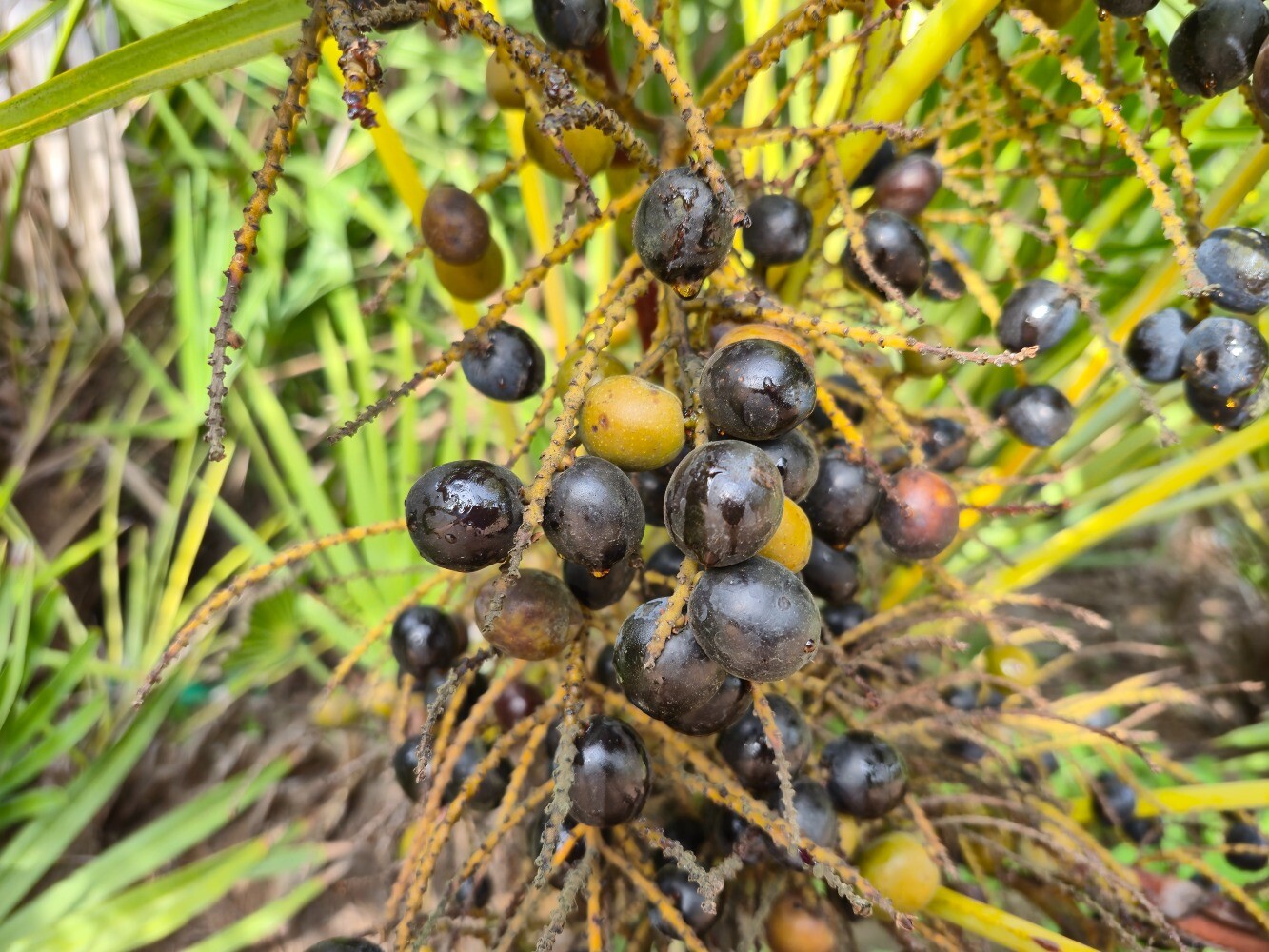
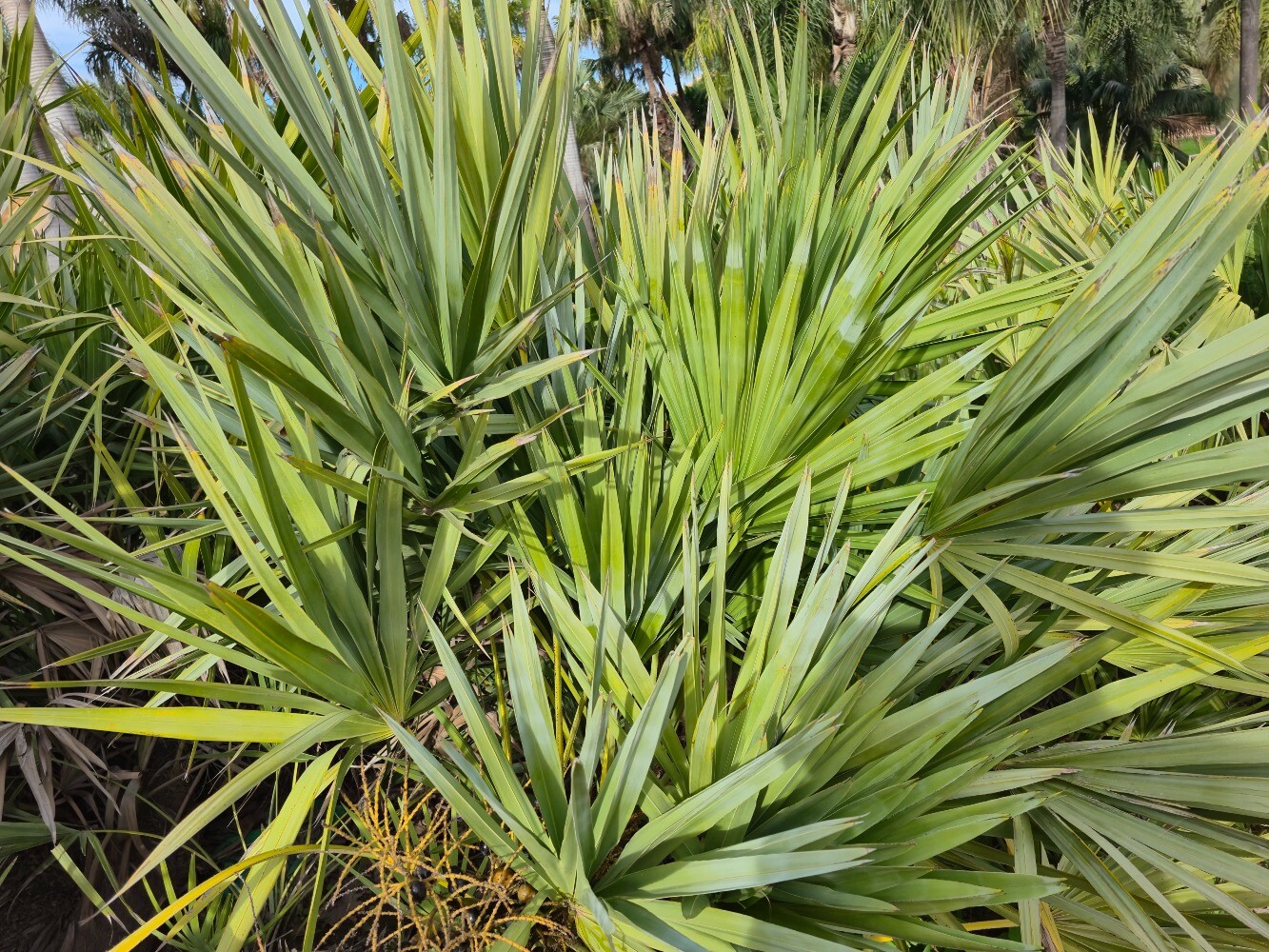
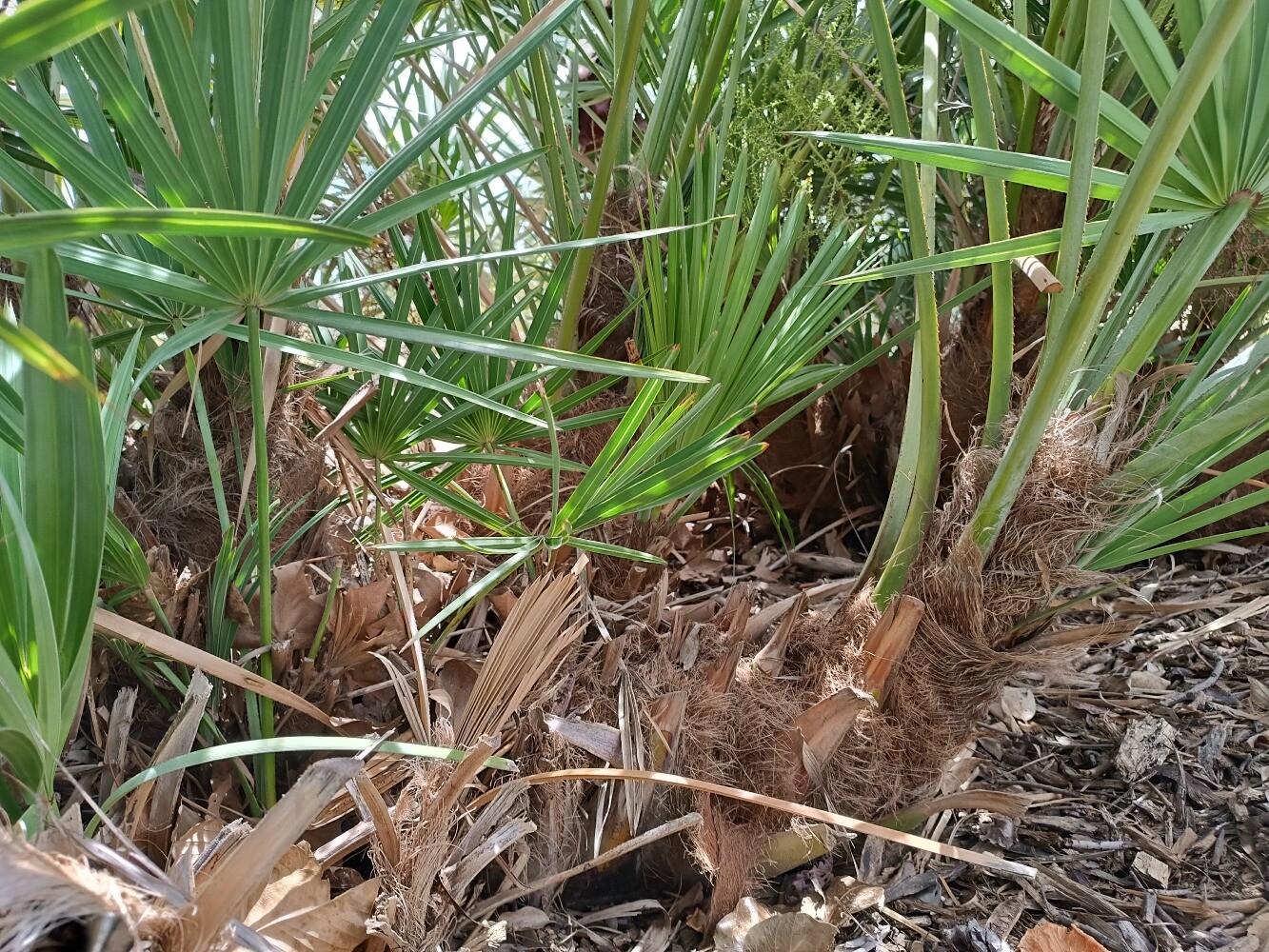
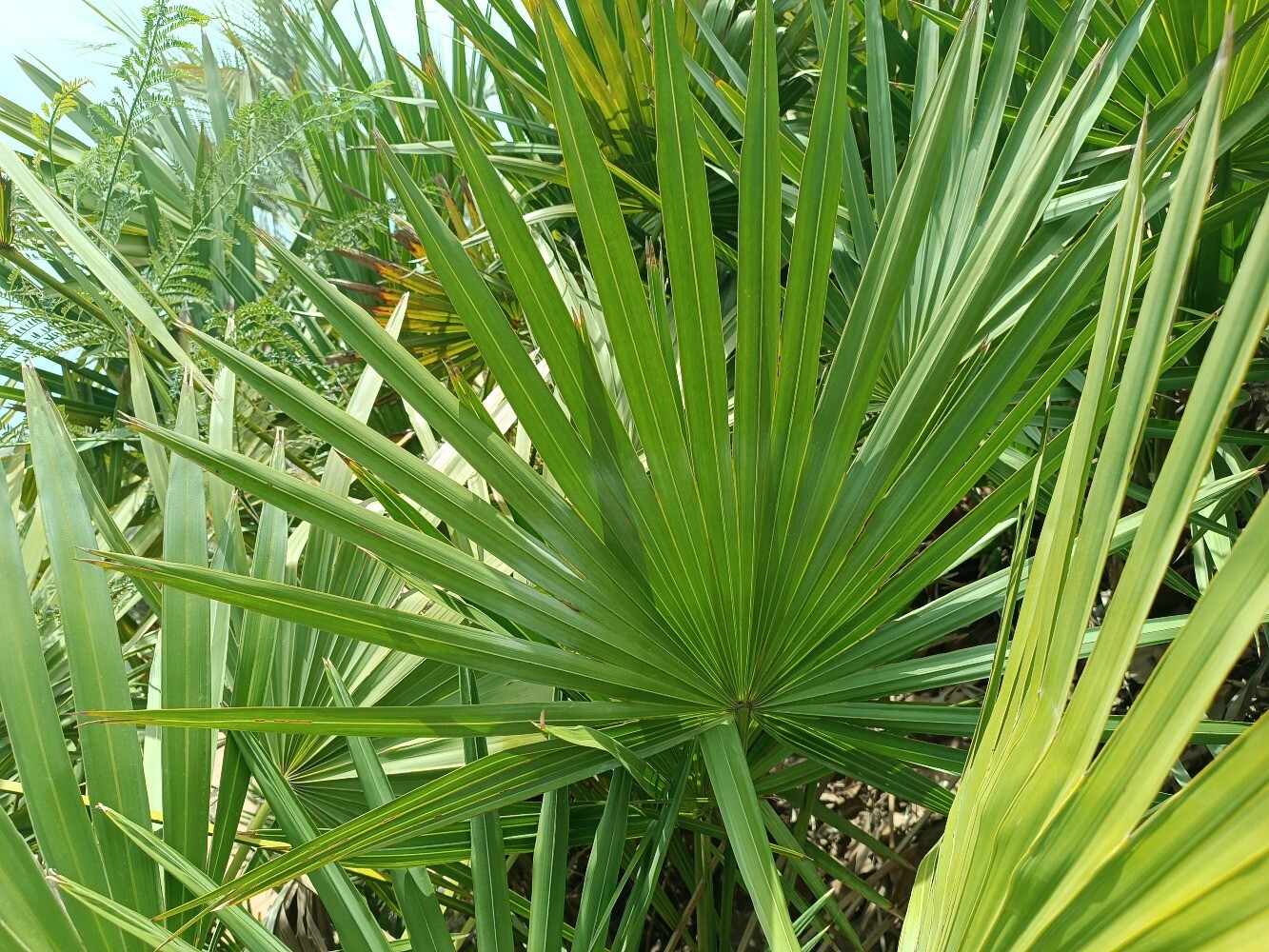
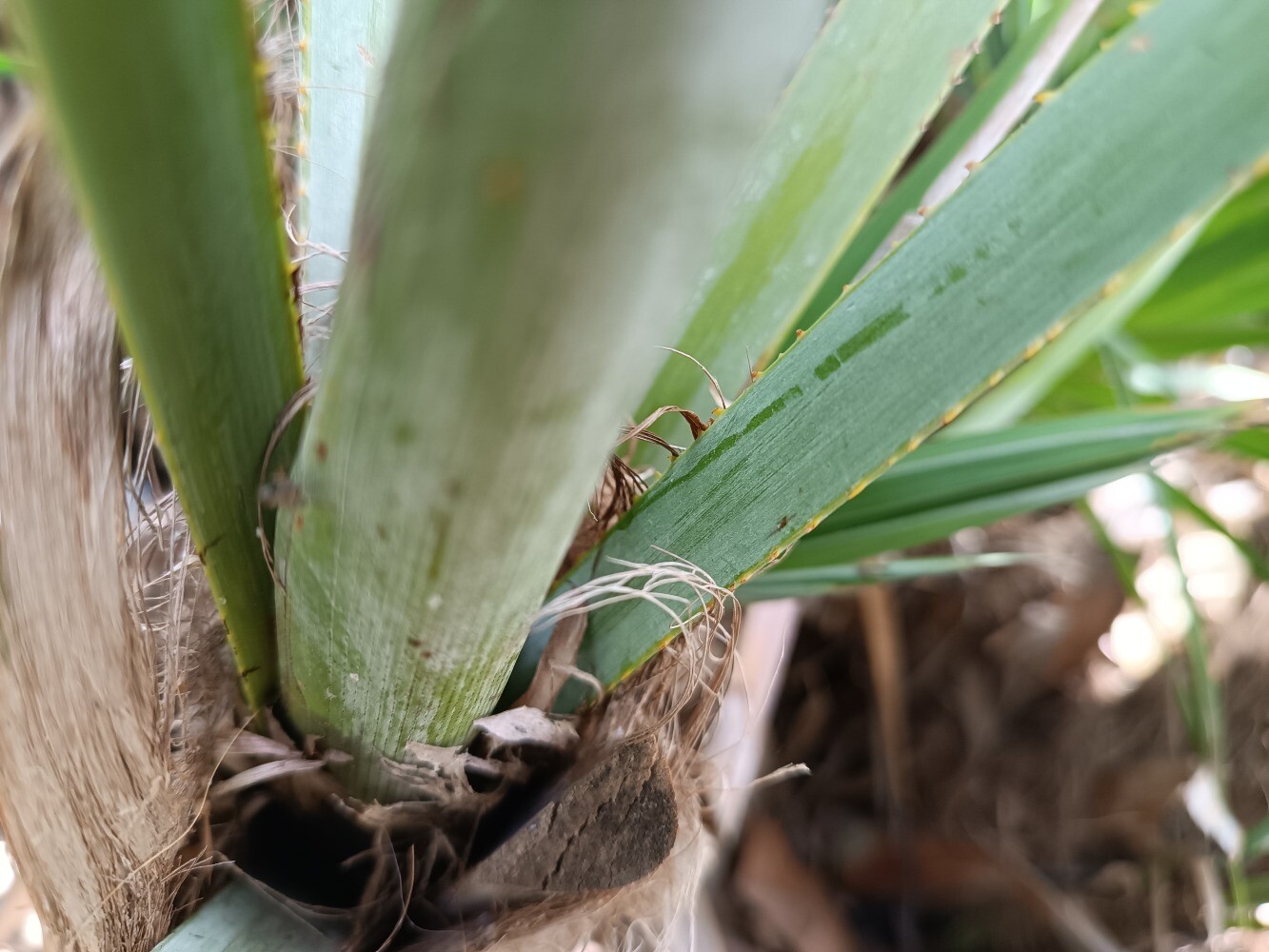
Serenoa repens is a low, clumping fan palm that typically forms dense thickets from creeping, often subterranean stems (rhizomatous growth). Above-ground stems are short, though older plants can develop short to occasionally elongate trunks. The leaves are palmate, 0.6-1.2 m (2-4 ft) across, borne on strongly armed petioles with serrated margins that give the species its common name, “saw palmetto.” Flowering occurs on branched inflorescences, followed by ovoid drupes that ripen from green to black and are harvested for their phytochemical content, widely used in herbal medicine.
This species is endemic to the southeastern United States, occurring primarily in peninsular Florida and the coastal plain from southeastern Louisiana to southern South Carolina, occasionally extending into southern Georgia and Alabama. It is a dominant component of pine flatwoods, sandhills, scrub, and coastal habitats on sandy, well-drained soils. Strongly adapted to recurrent fire, it resprouts readily after burns and can form long-lived, clonal colonies that persist for centuries.