Arenga engleri

Common Names: Formosa Palm, Taiwan Sugar Palm, Dwarf Sugar Palm.

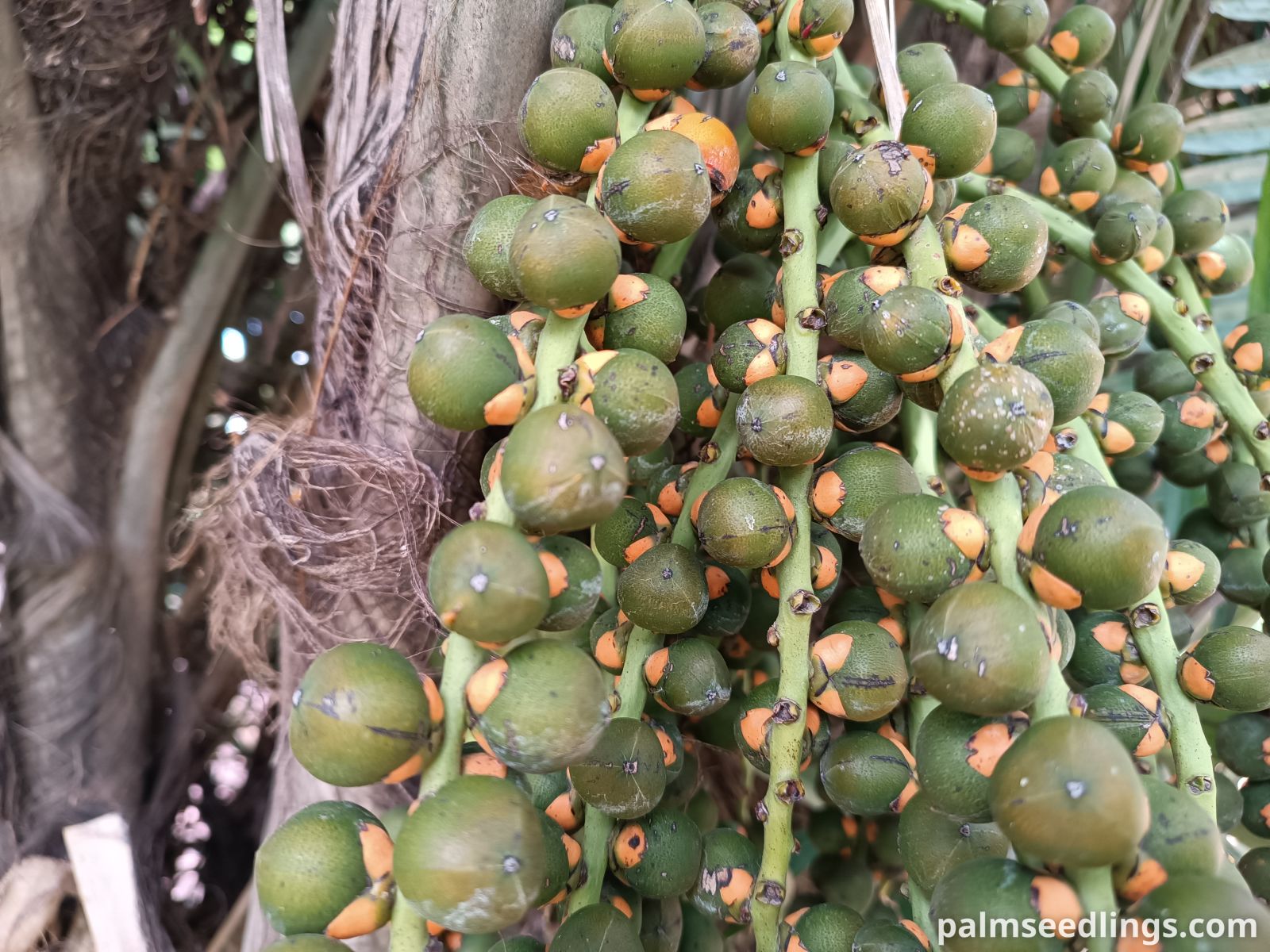
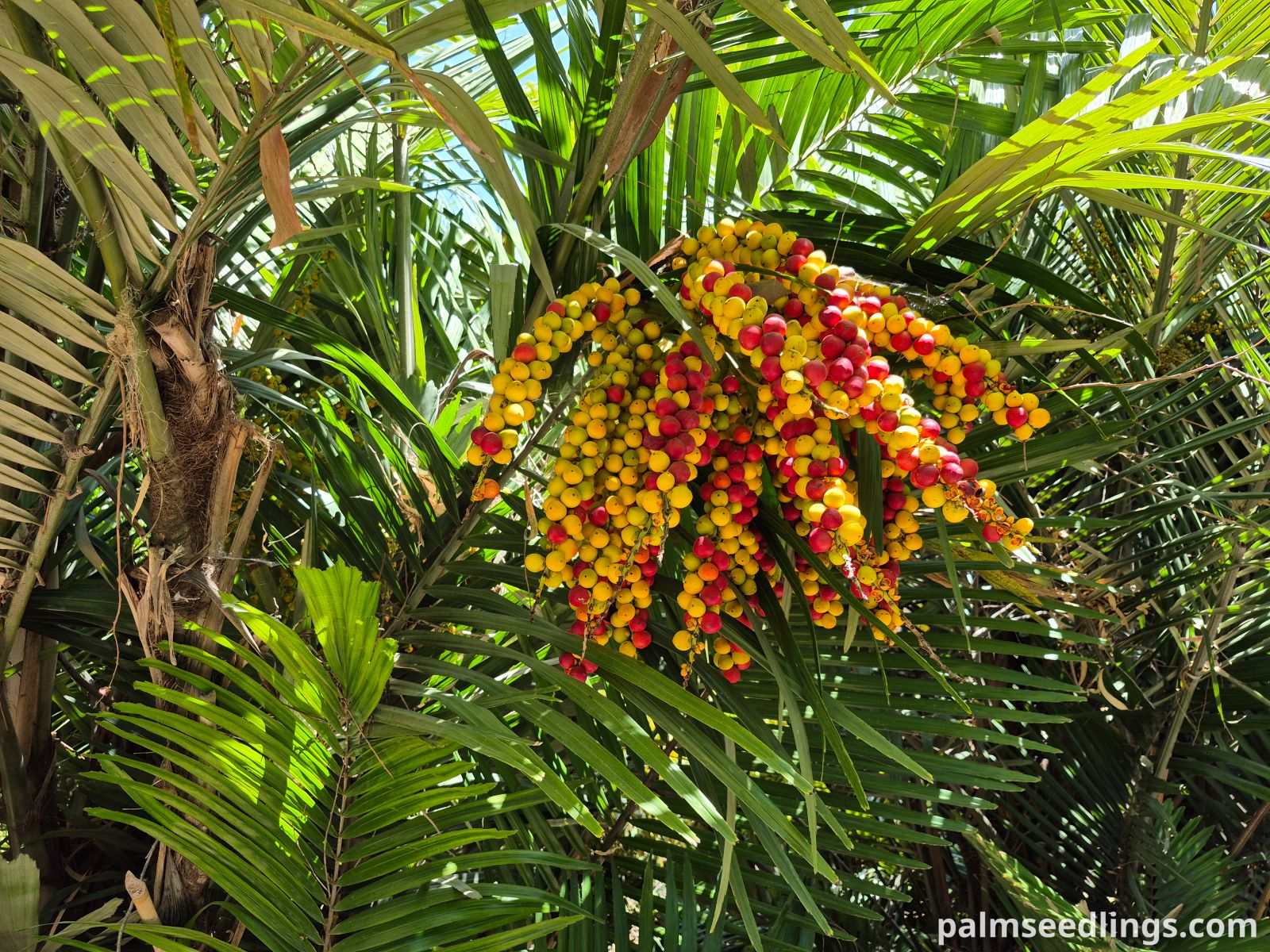
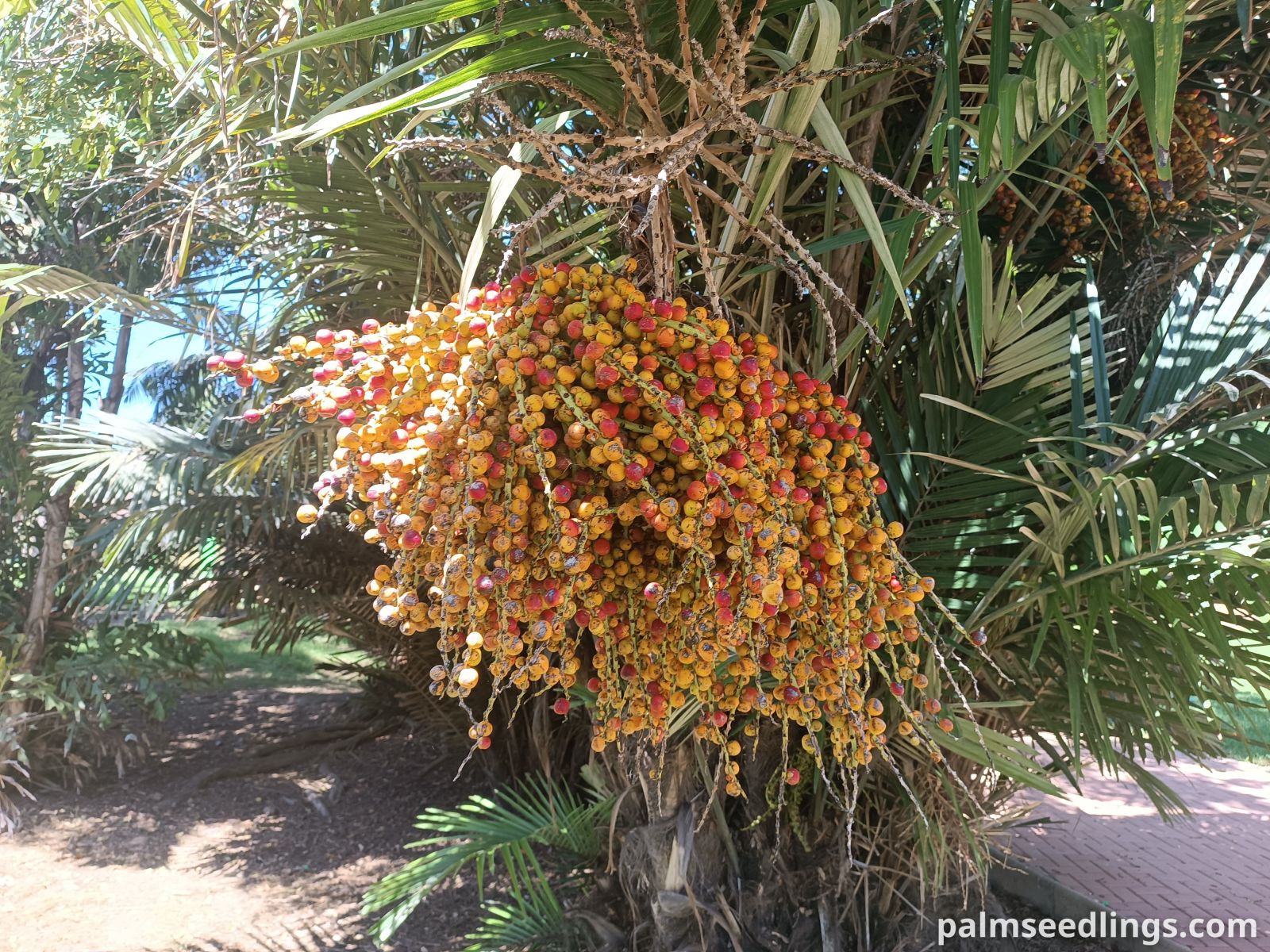
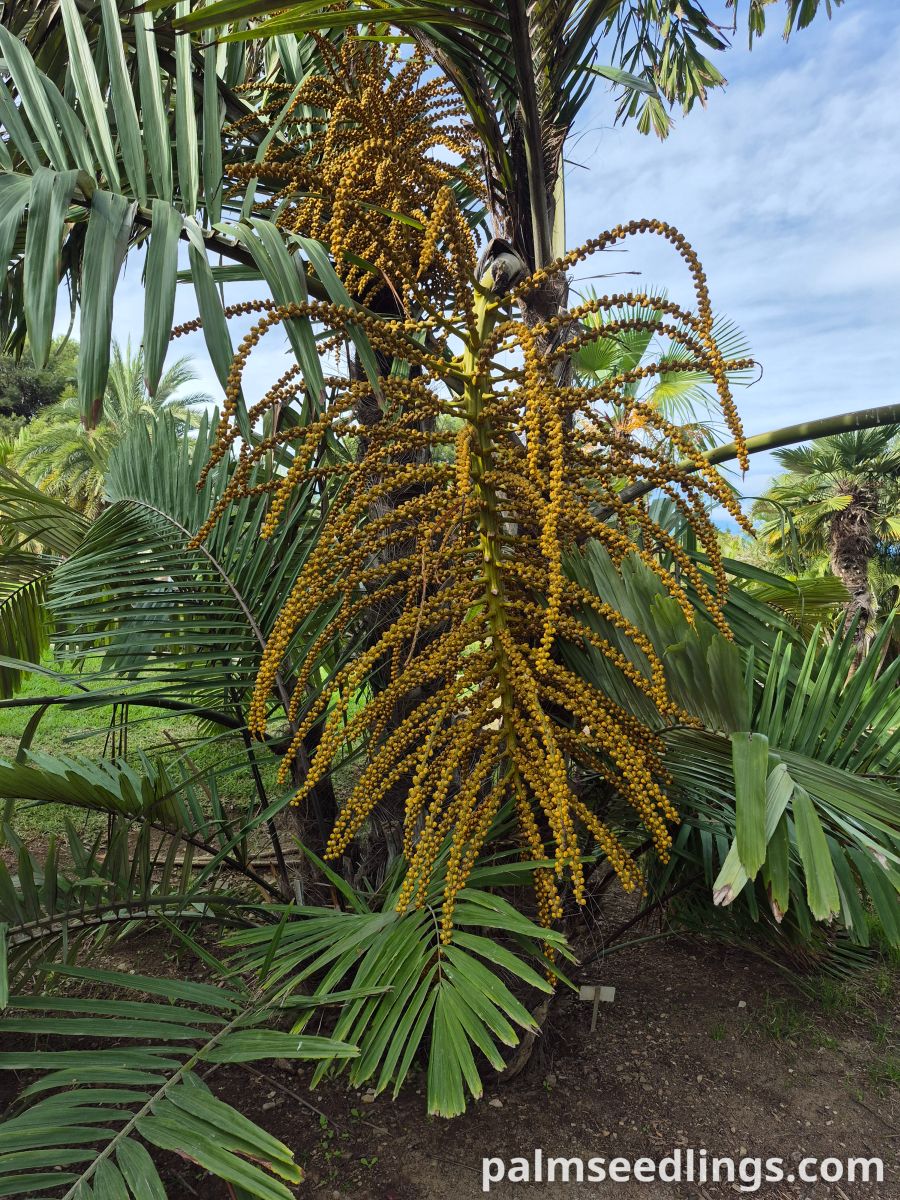
arenga engleri ripe fruits closeup

Description

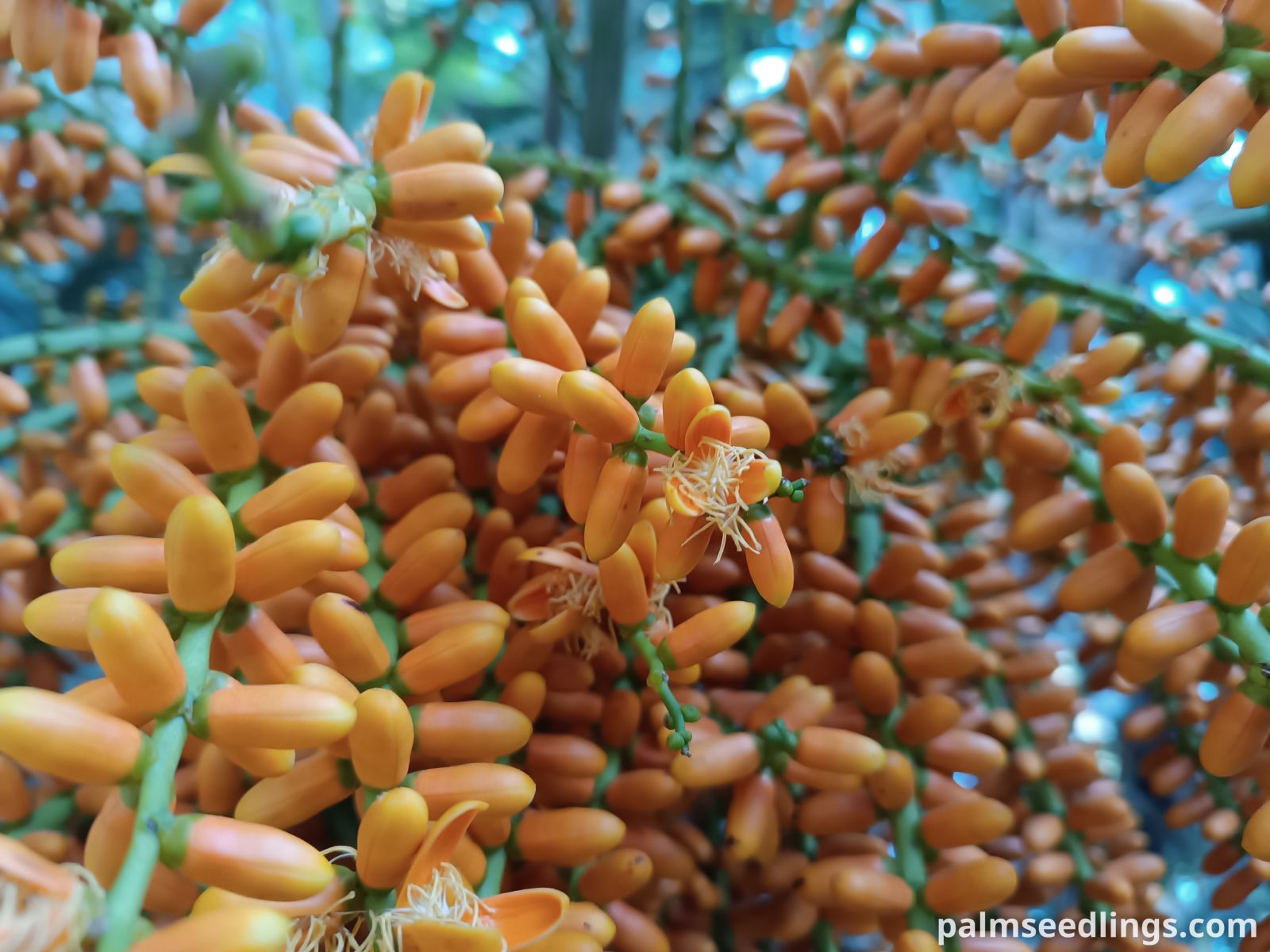
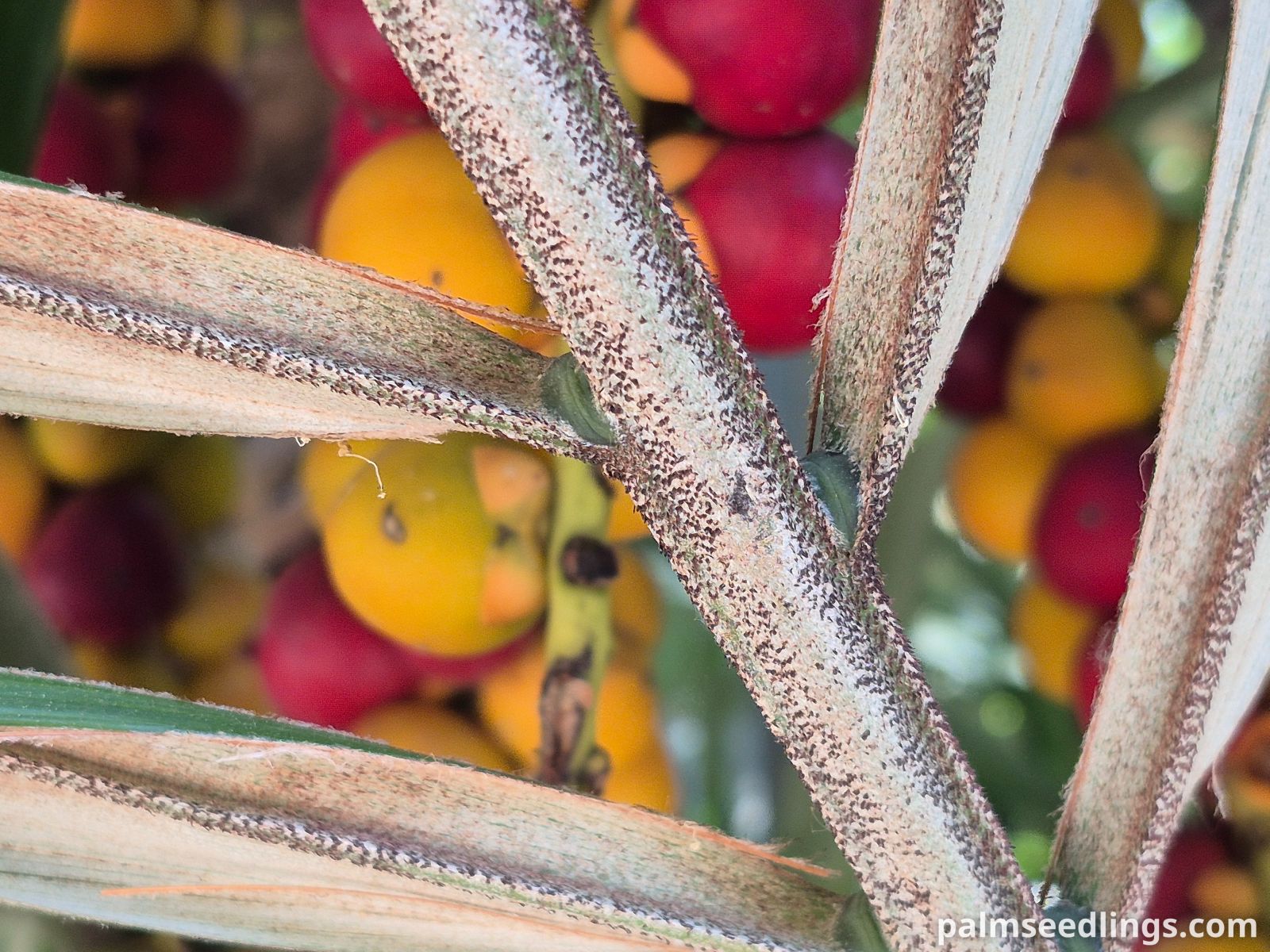
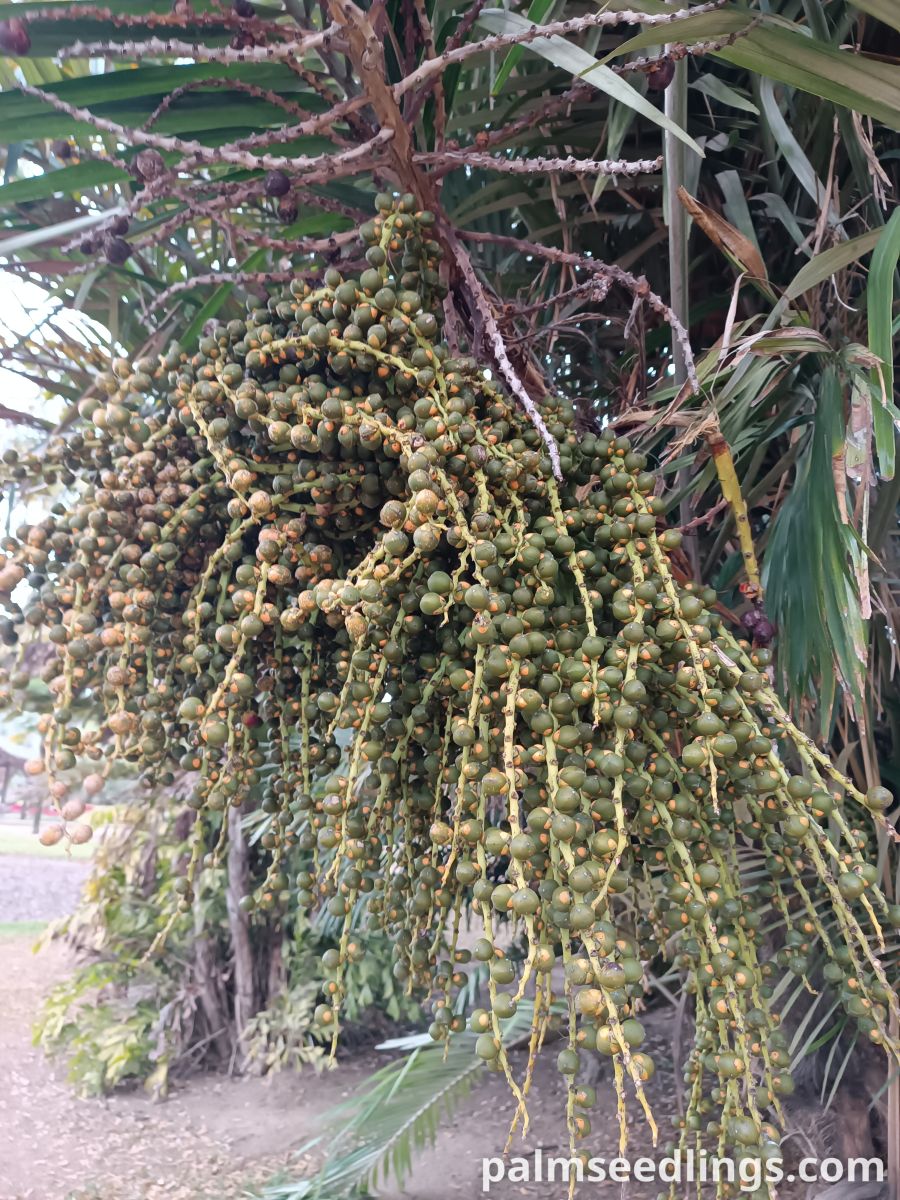
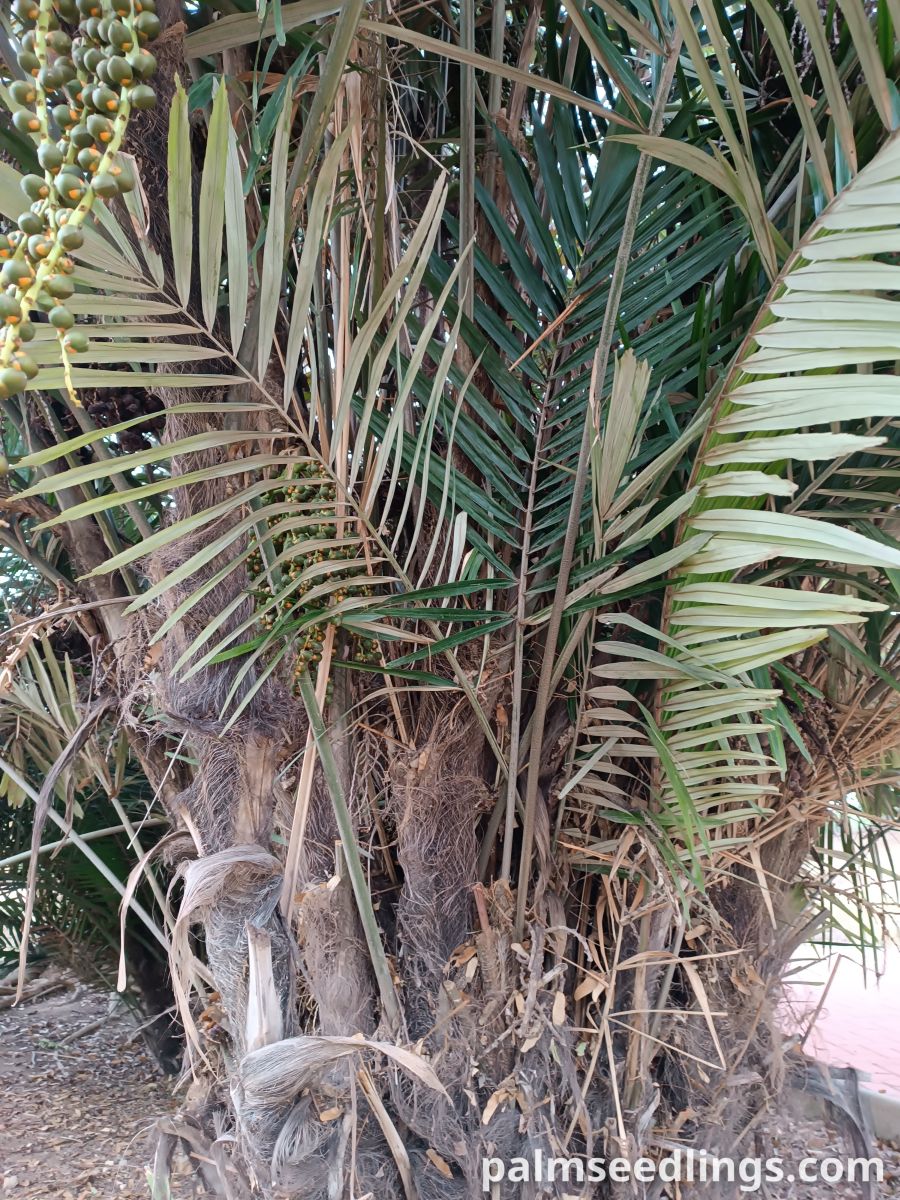
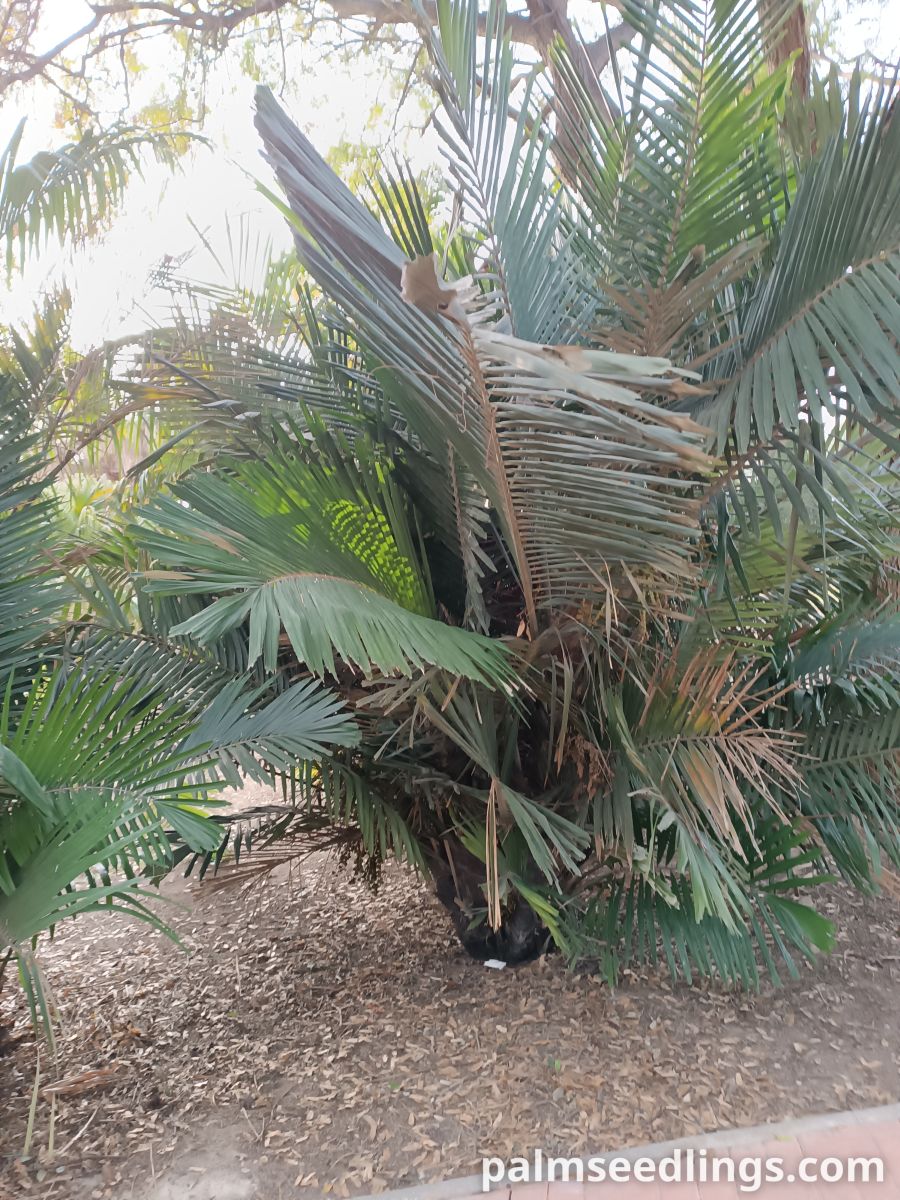
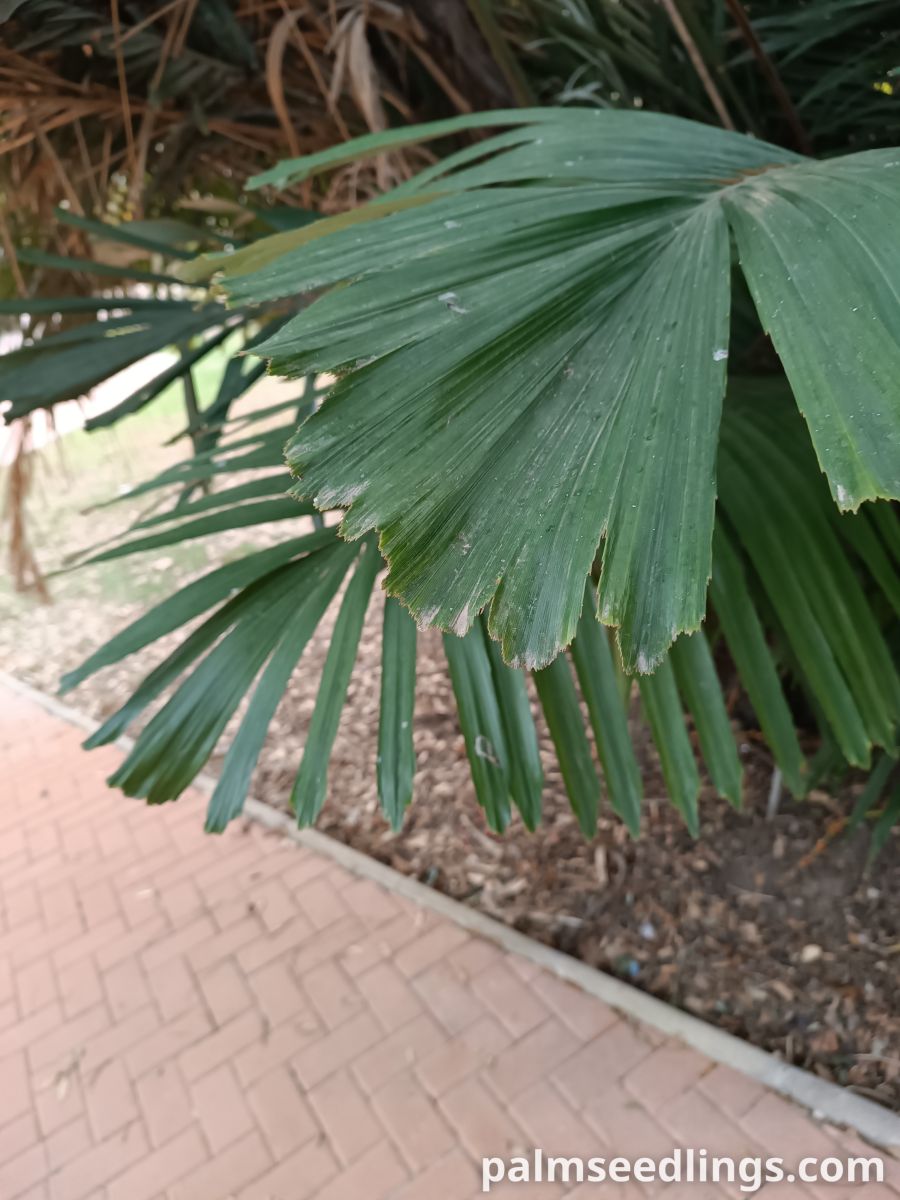
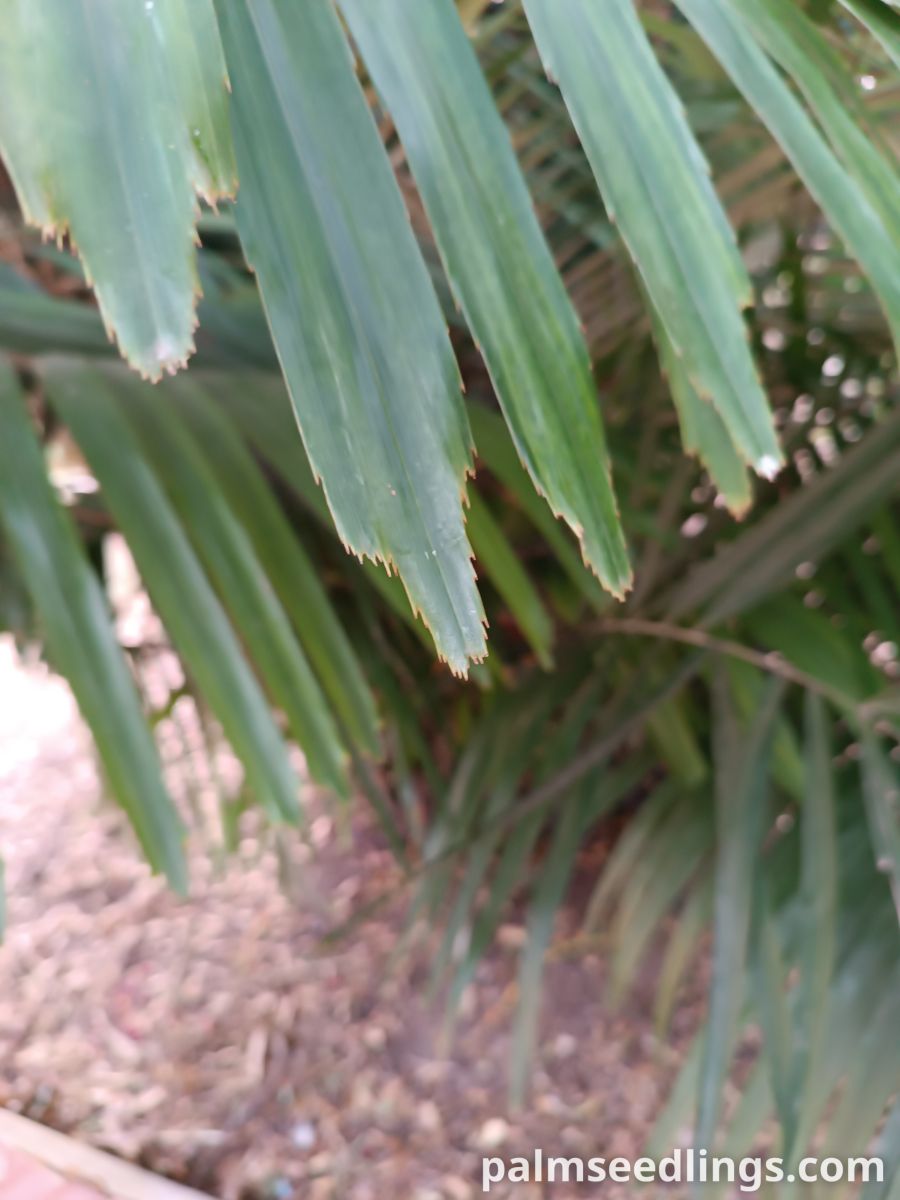
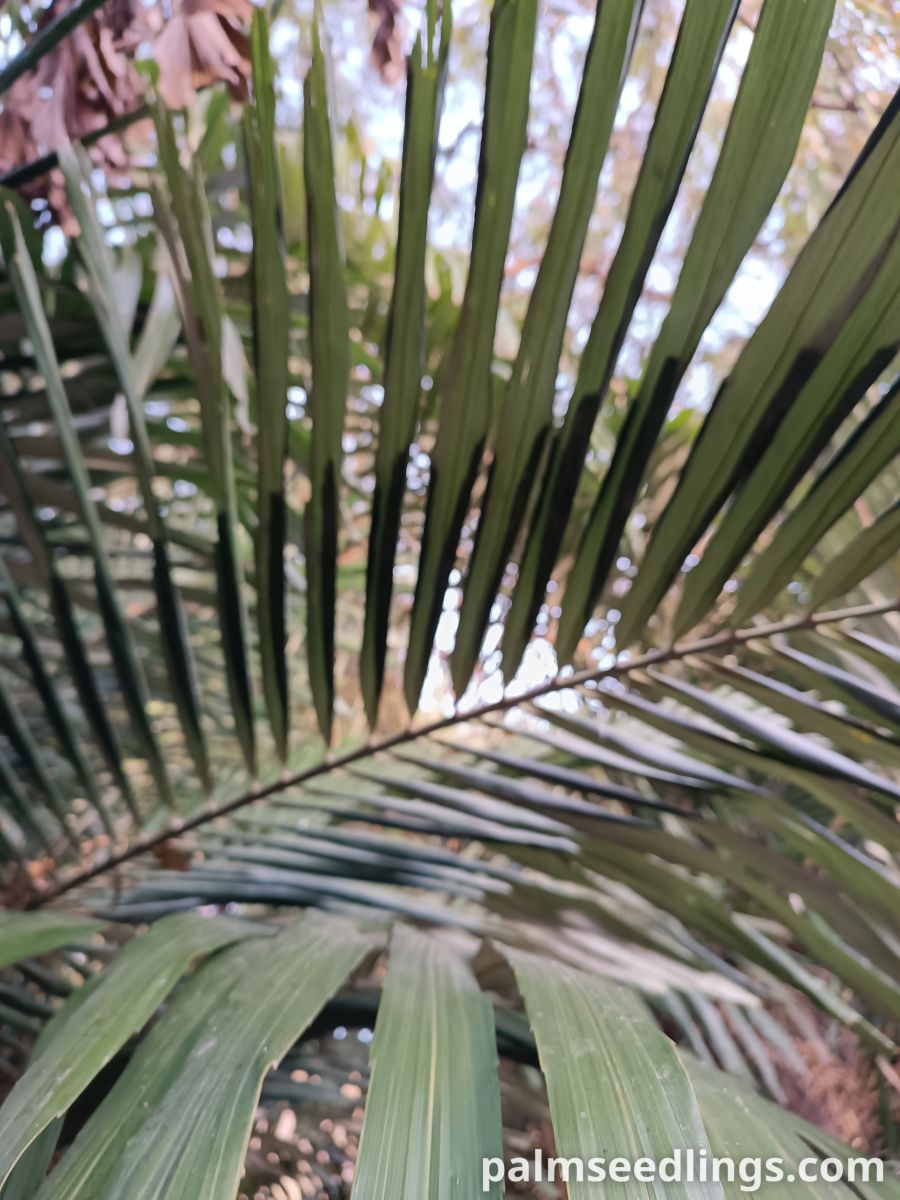
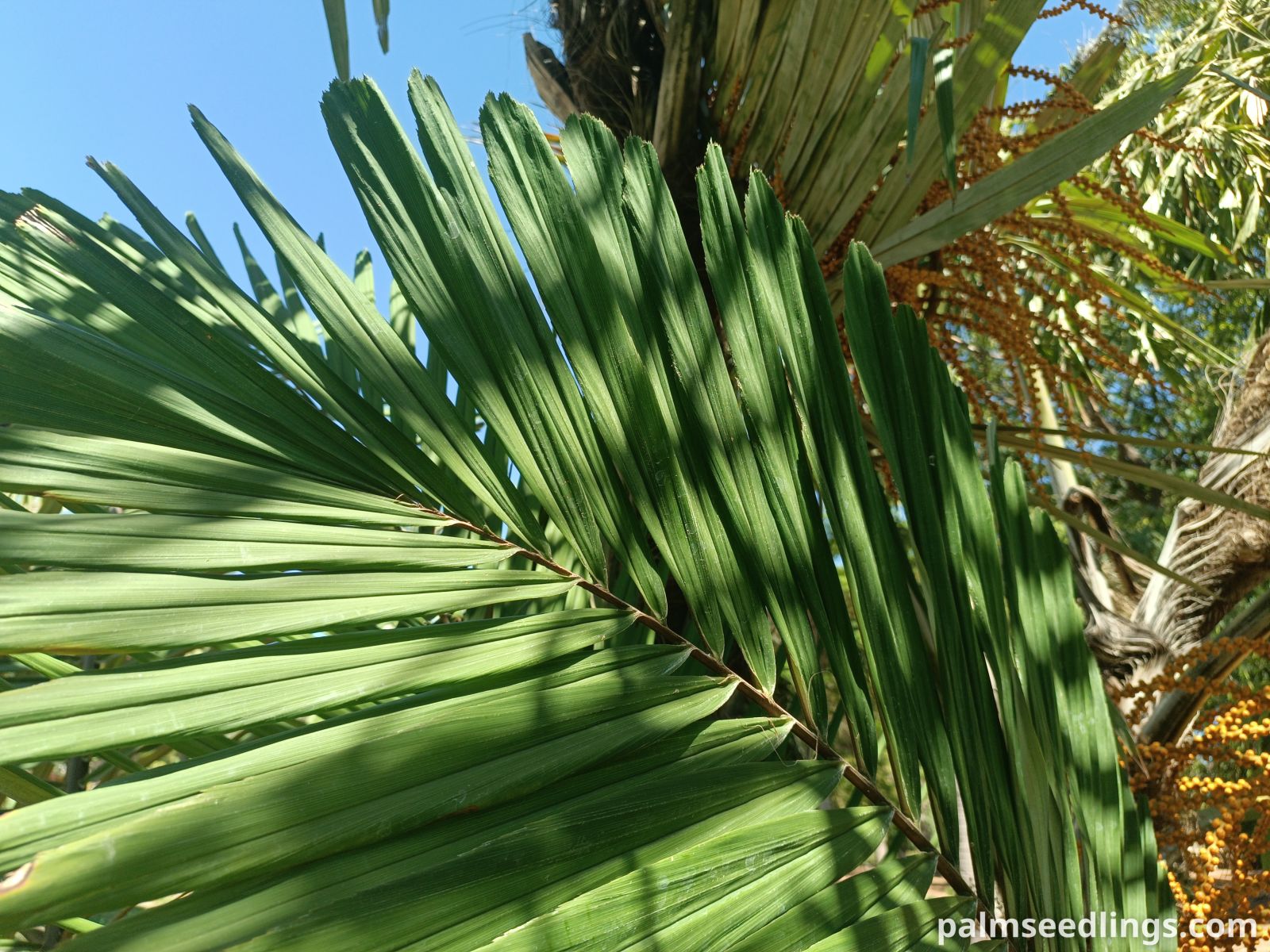
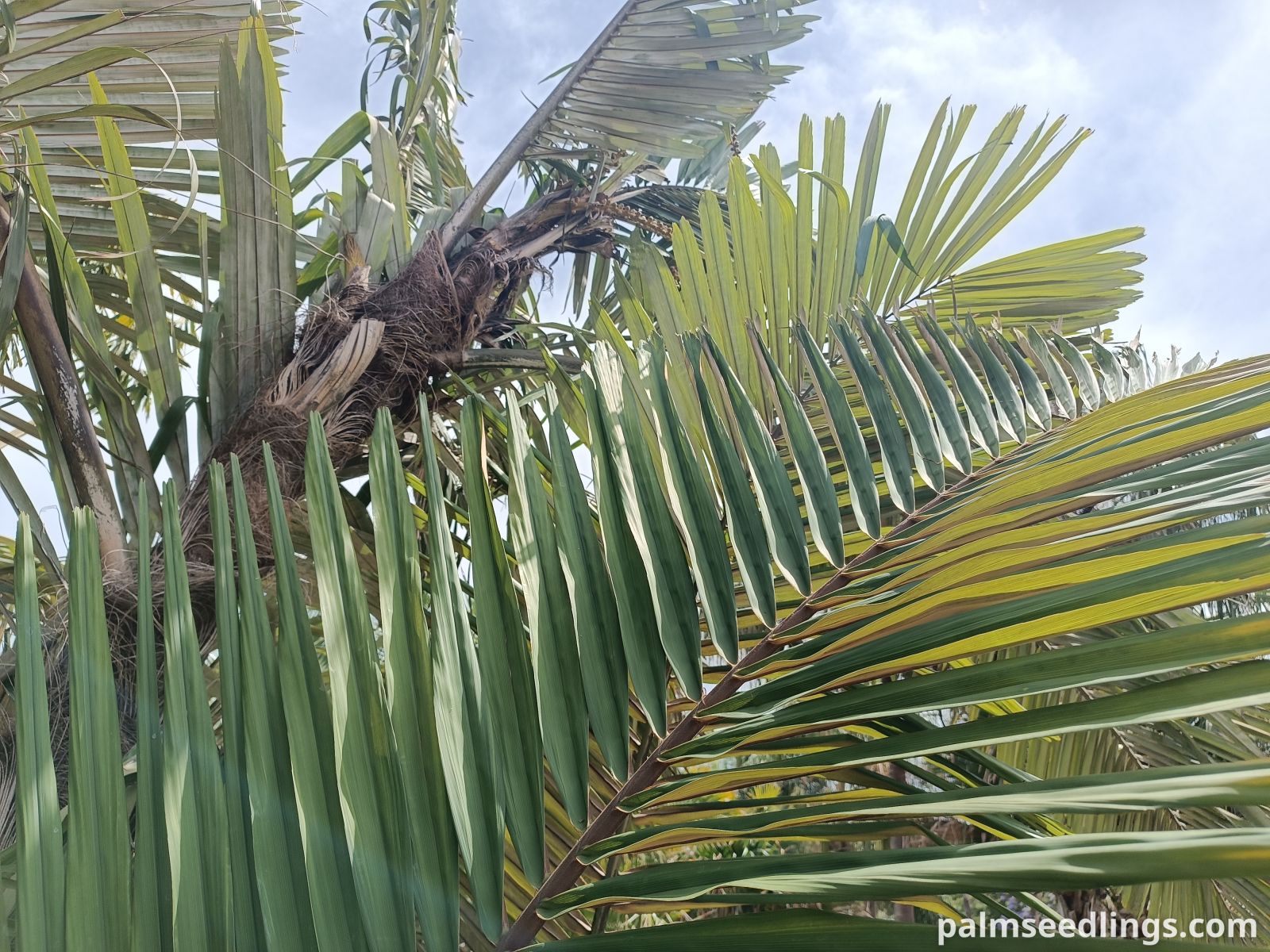
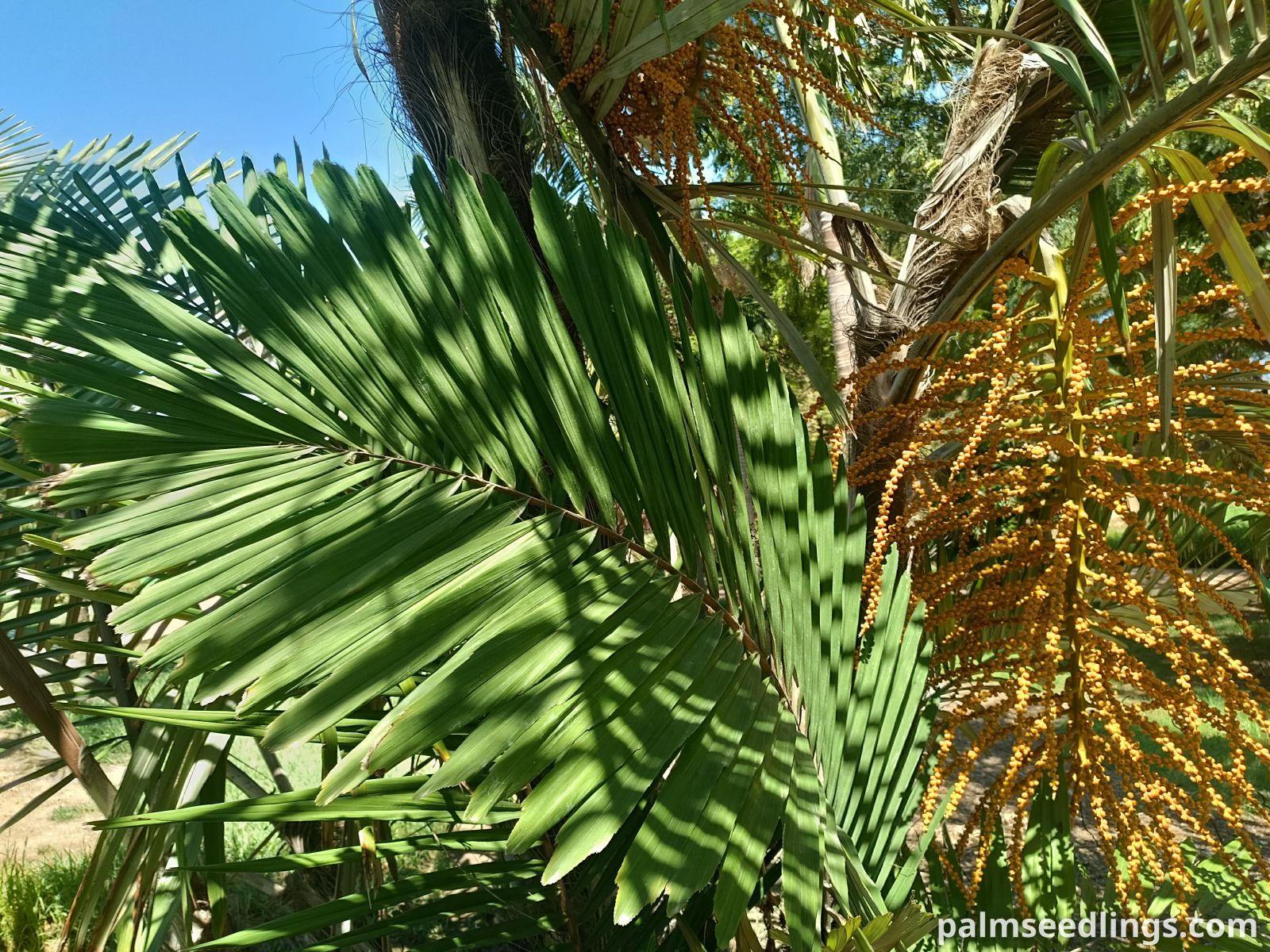
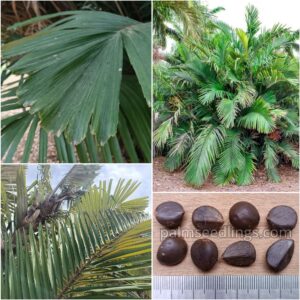
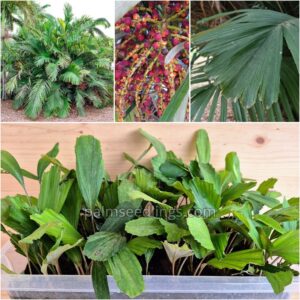
Arenga engleri is a clustering feather palm that develops dense thickets of slender trunks. Each stem typically reaches 10 to 15 cm (4 to 6 in) in diameter and supports a canopy of pinnate leaves measuring 2 to 3 m (6 to 10 ft) in length. The leaflets are wedge shaped, displaying a dark green upper surface and a distinct silvery white underside. Botanically, this species is monoecious and hapaxanthic, meaning individual stems produce intensely fragrant inflorescences, fruit, and subsequently die, while the overall clump survives through continuous basal suckering. The resulting globose fruits ripen from green to a deep reddish purple.

Endemic to the understory of subtropical rainforests in Taiwan and the Ryukyu Islands of Japan, this palm exhibits significant ecological plasticity. It thrives in deeply shaded environments but seamlessly transitions to full sun exposures in warm temperate climates. Landscapers frequently utilize it as a dense, structural privacy screen due to its exceptional cold tolerance compared to other tropical canopy species. It easily withstands mild winters and brief freezes, providing a reliable architectural element for subtropical and temperate garden applications.

Characteristics

Cold hardiness 15 °F (-9 °C); mature clumps survive significant, brief freezes with minor foliar damage, rebounding quickly in the spring.
Growth speed Medium; establishes a strong foundational root system during warm weather before accelerating its basal suckering habit.
Rarity Occasional in cultivation; widely utilized by professional landscapers for commercial screening but less frequent in standard retail garden centers.
Maximum height 5 m (16 ft); individual stems rarely exceed this height limit before initiating their terminal flowering cycle.
Drought resistance Moderate; benefits from supplemental irrigation during extended hot and dry periods but shows solid resilience once deeply rooted.

Annotations and curiosities

The intensely sweet fragrance of the blossoms is notable among horticulturists, often compared to the scent of heavy perfume or artificial fruit gum, capable of filling an entire garden space. However, handlers must exercise extreme caution when interacting with the attractive fruiting bodies. The pulp is heavily armed with potent calcium oxalate crystals known as raphides, a defensive mechanism that inflicts severe burning contact dermatitis upon bare skin and poses a hazard to children or pets. Historically, indigenous populations harvested the tough, black fibers found densely packed at the leaf bases for weaving durable ropes and fishing nets that naturally resist rot in seawater. From a maintenance perspective, growers must account for its hapaxanthic life cycle; the requisite removal of spent, dead canes after fruiting is essential to preserving the structural form of the clump.

Photo gallery

Seeds & fruit

Early growth

External Resources

Buy Arenga engleri