Description
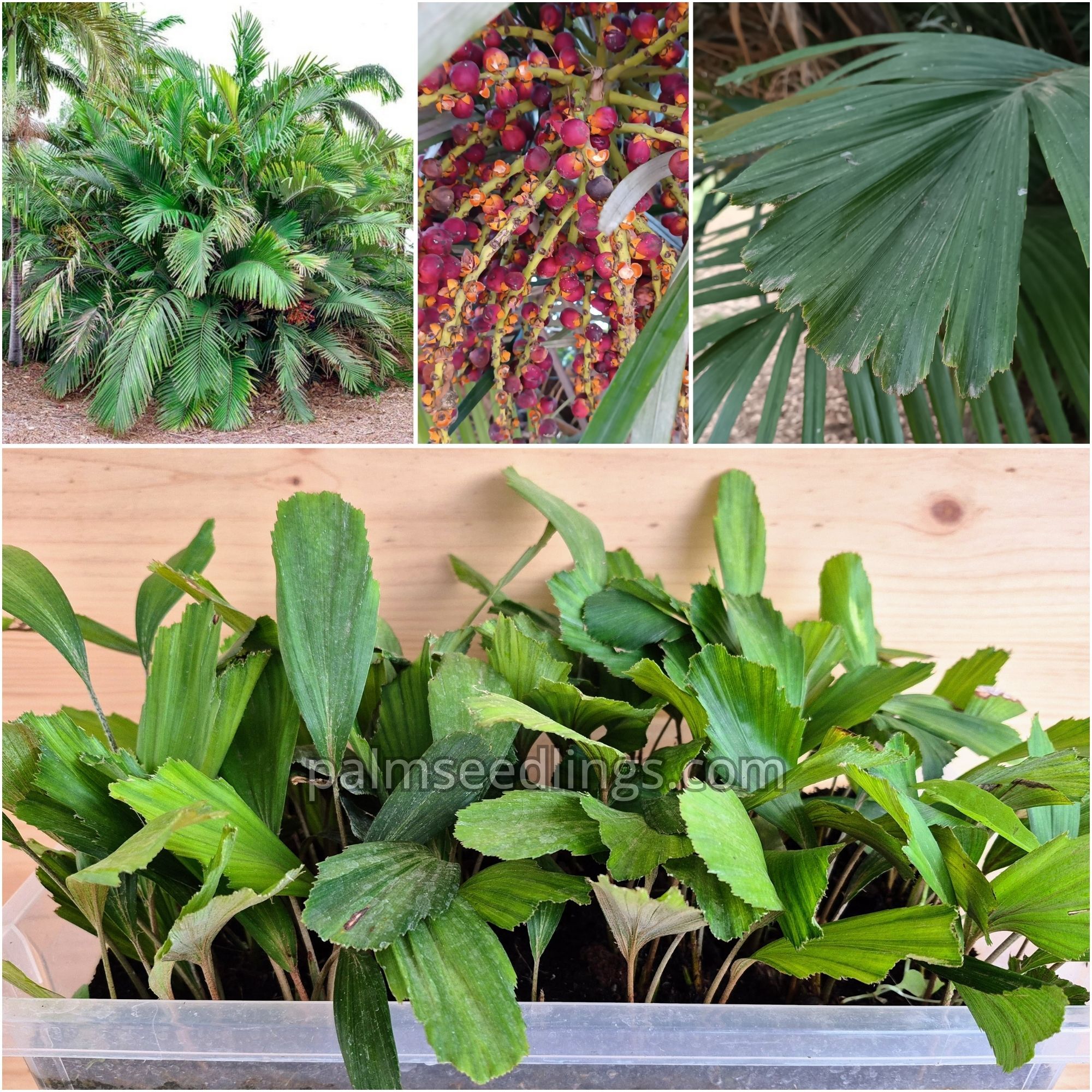
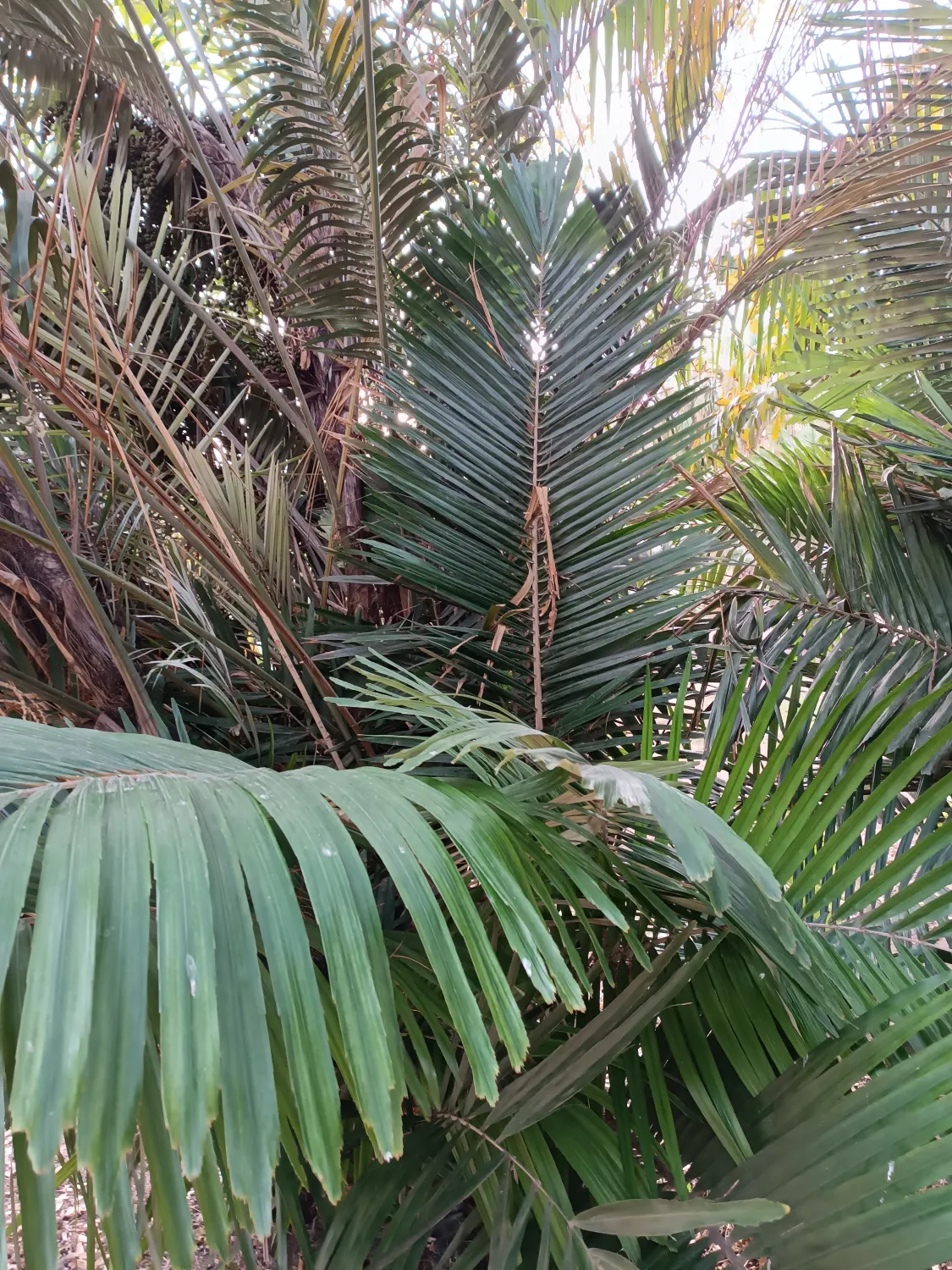
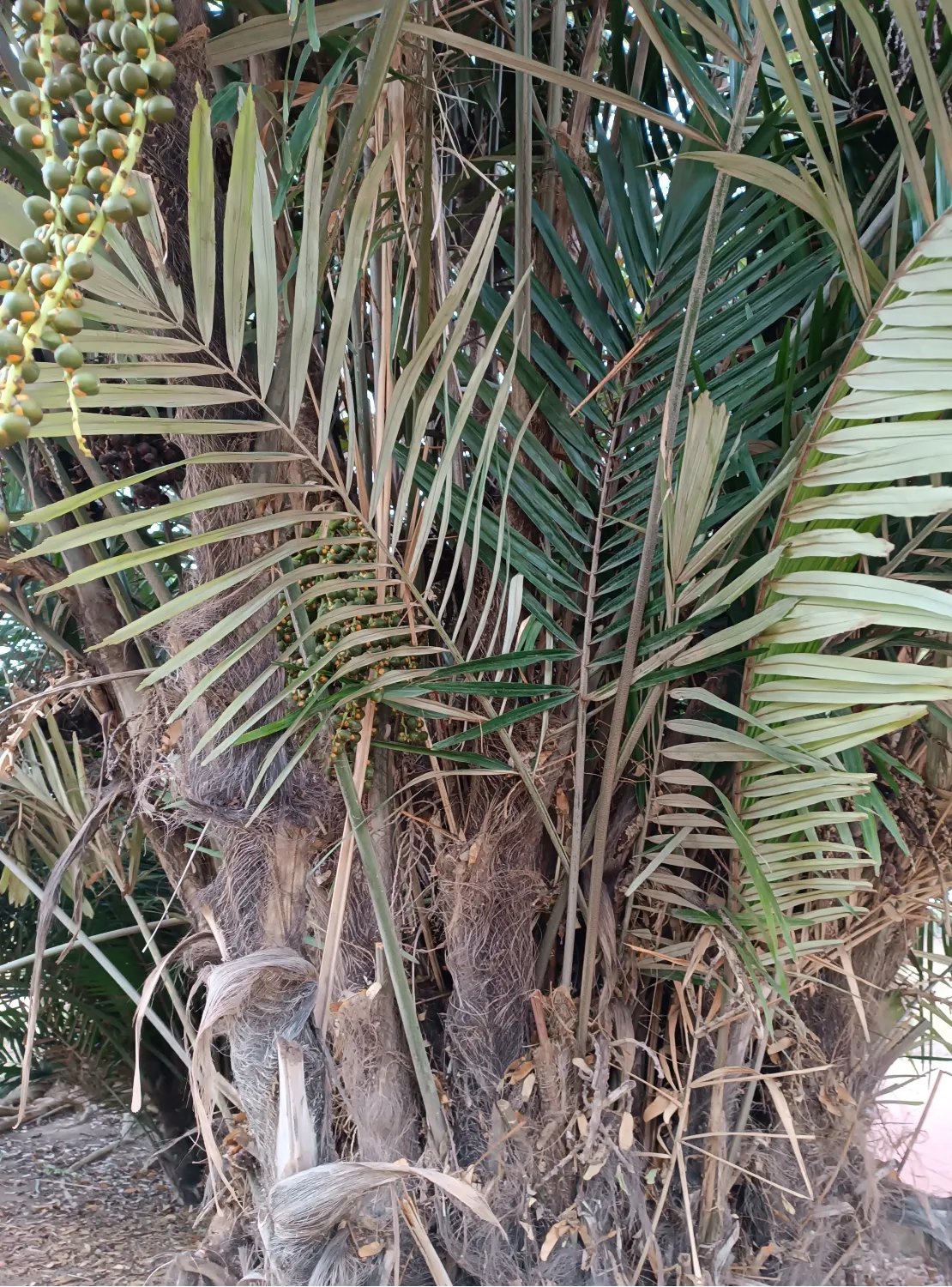
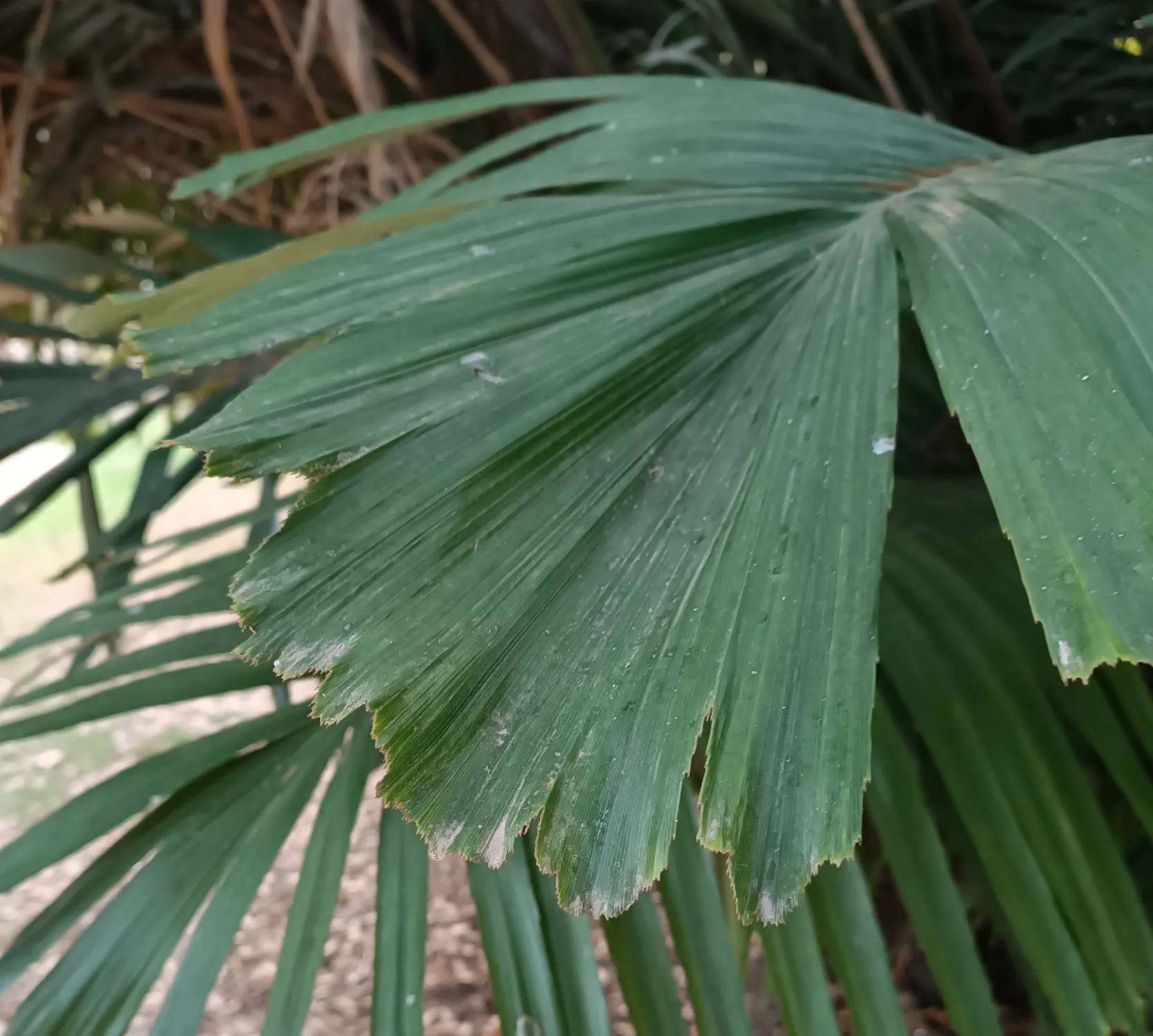
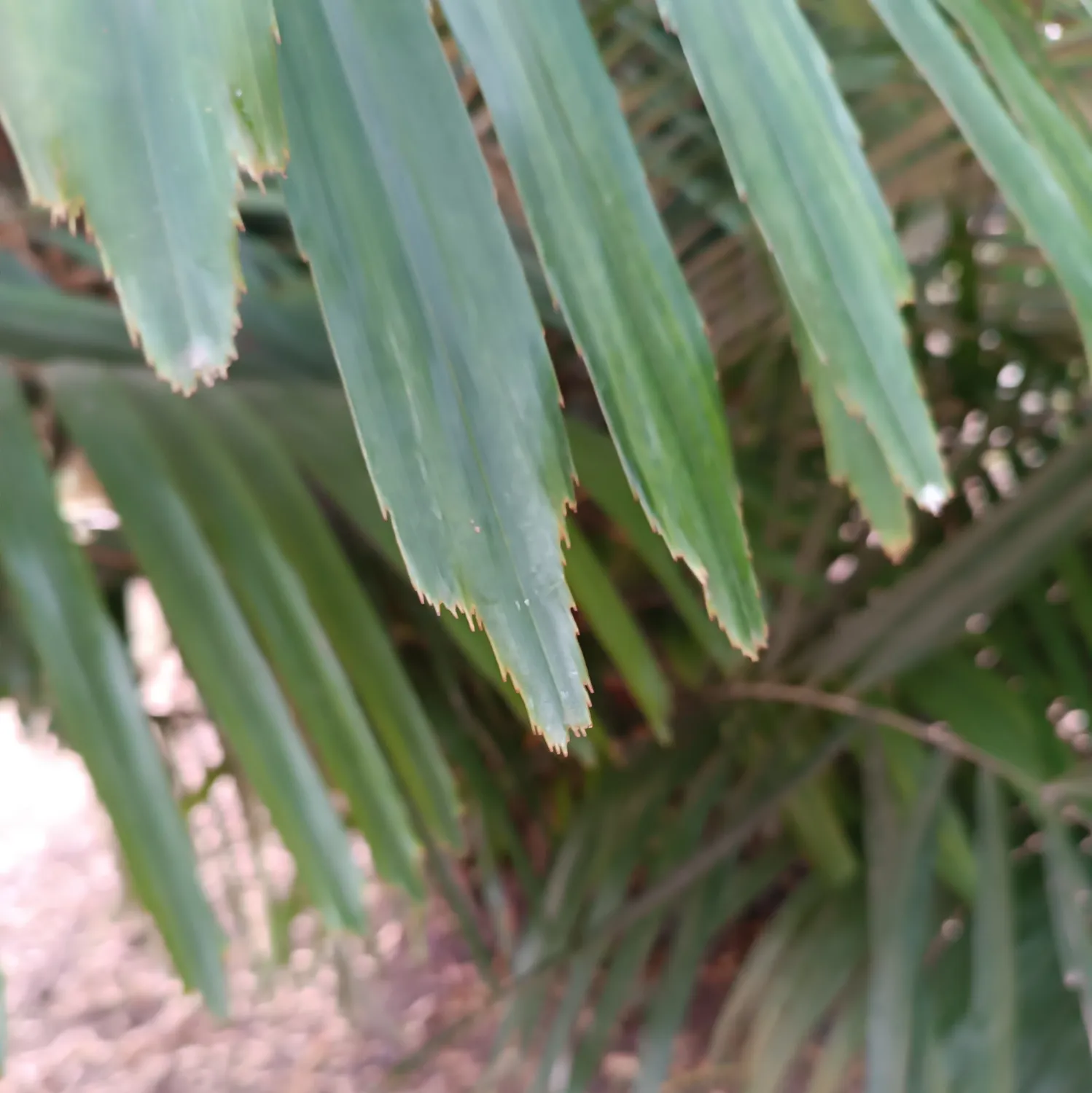
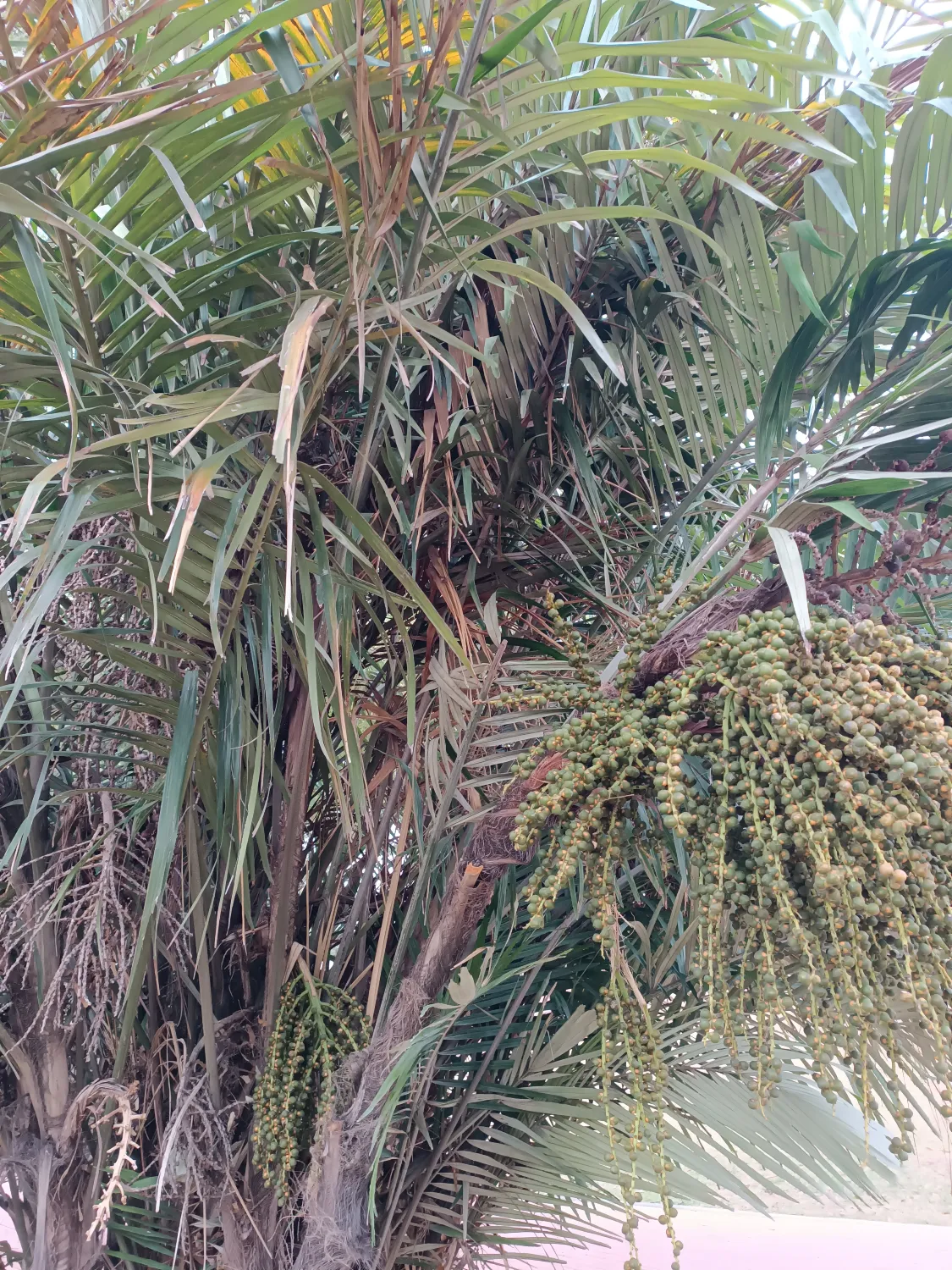
Arenga engleri is a clustering, monoecious feather palm that forms dense thickets of slender stems densely wrapped in black, hair-like fibers. The canopy features gracefully arching pinnate leaves, with leaflets that are notably wide, slightly twisted, and irregularly toothed at their tips, vaguely resembling fishtails. These leaflets present a dark, glossy green adaxial surface and a striking silvery glaucous underside. It produces highly fragrant, sweetly scented flowers on branched inflorescences that emerge from the leaf nodes. The small, globose fruits ripen from green to orange and eventually to a dark purple or black.
Originating from the understory rainforests and coastal slopes of Taiwan and the Ryukyu Islands of Japan, this species is well-adapted to shaded, humid environments but demonstrates remarkable resilience in temperate climates. Cultivation requires rich, well-draining organic soil and regular moisture. While it can adapt to full sun in cooler coastal climates, it performs best in partial to deep shade, which protects its broad leaflets from scorching and wind damage. It is highly valued as a dense screening plant or understory specimen in subtropical and warm temperate landscapes.